
A 1200km strip of road connects Cairns and Cape York – a journey that takes around seven days in a 4WD.
The trip has been described as “dry, dusty and often rough as guts”, but the jewel at the final destination is the northernmost point in Australia.
It’s a bucket list spot for selfies and we were lucky enough to get there the easy way – cruising aboard Ponant’s expedition ship Le Soleal.
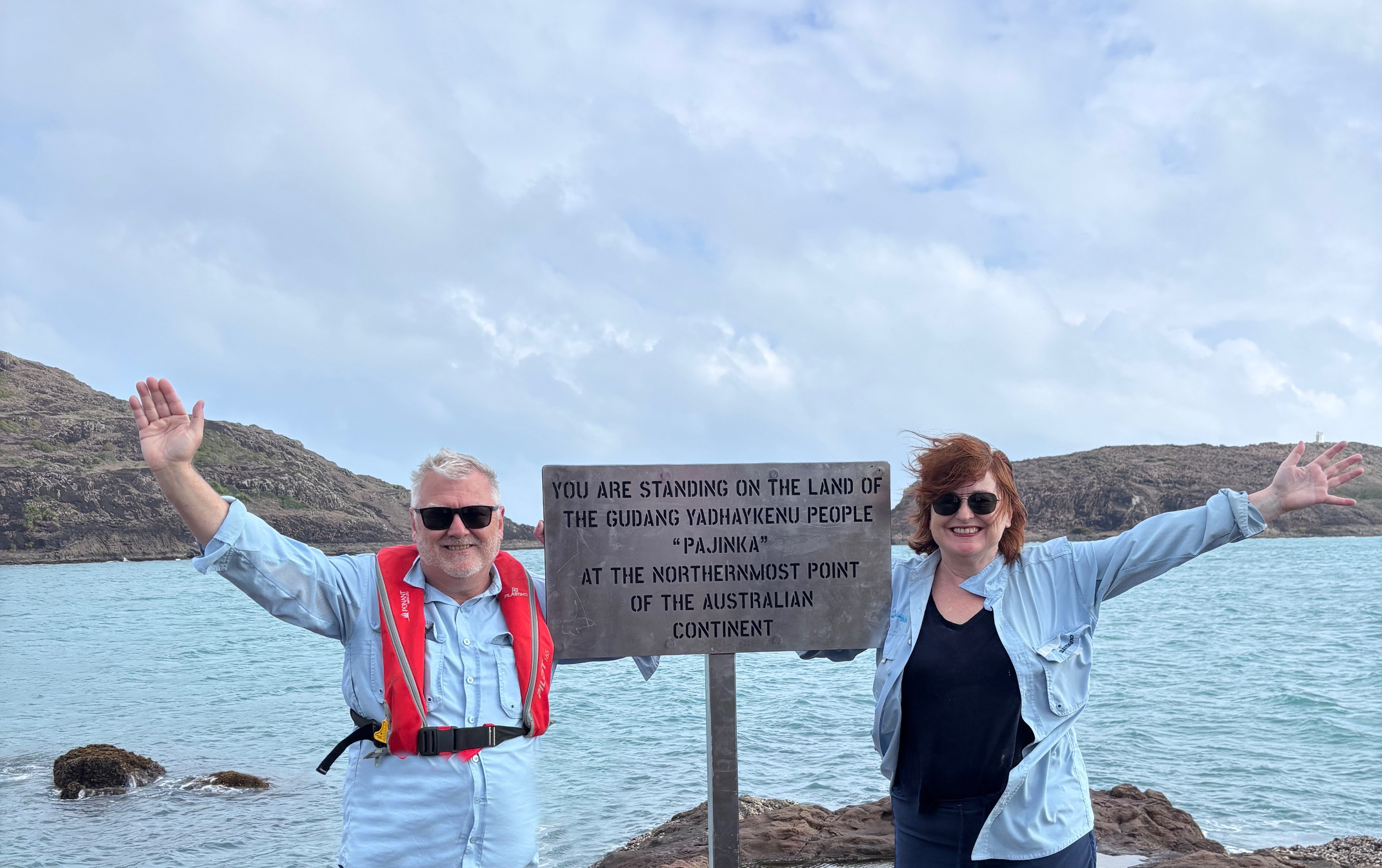
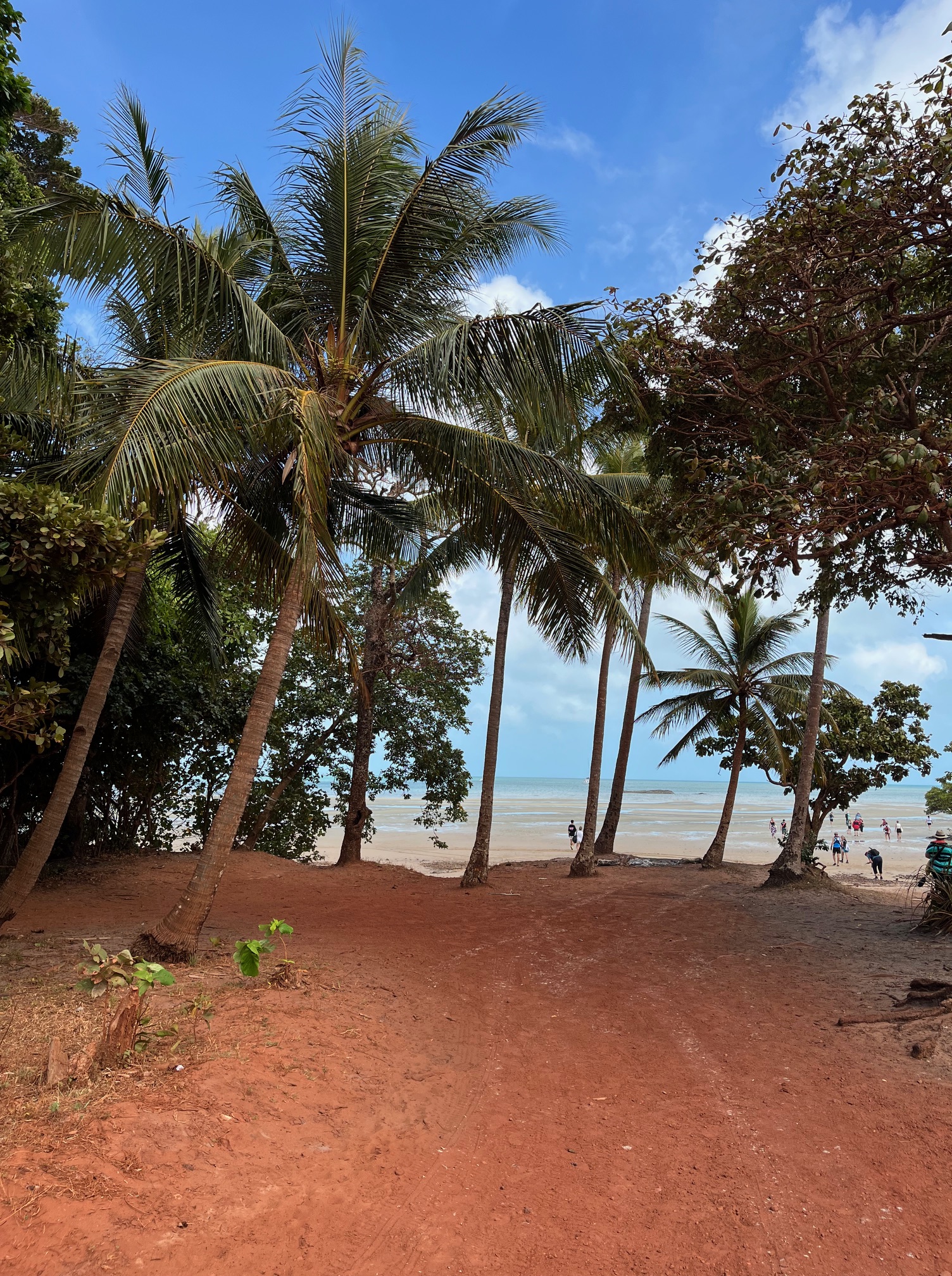
Cape York was one of the drawcards that led us to book the ‘Tropical Odyssey between North East Australia and Indonesia’ cruise, alongside remote locations in West Papua and the Spice Islands.
We’re also devoted Ponant fans. We love exploring remote locations with expedition teams, then climbing aboard the ship to eat delicious food, sip French wine and sleep in luxurious cabins.
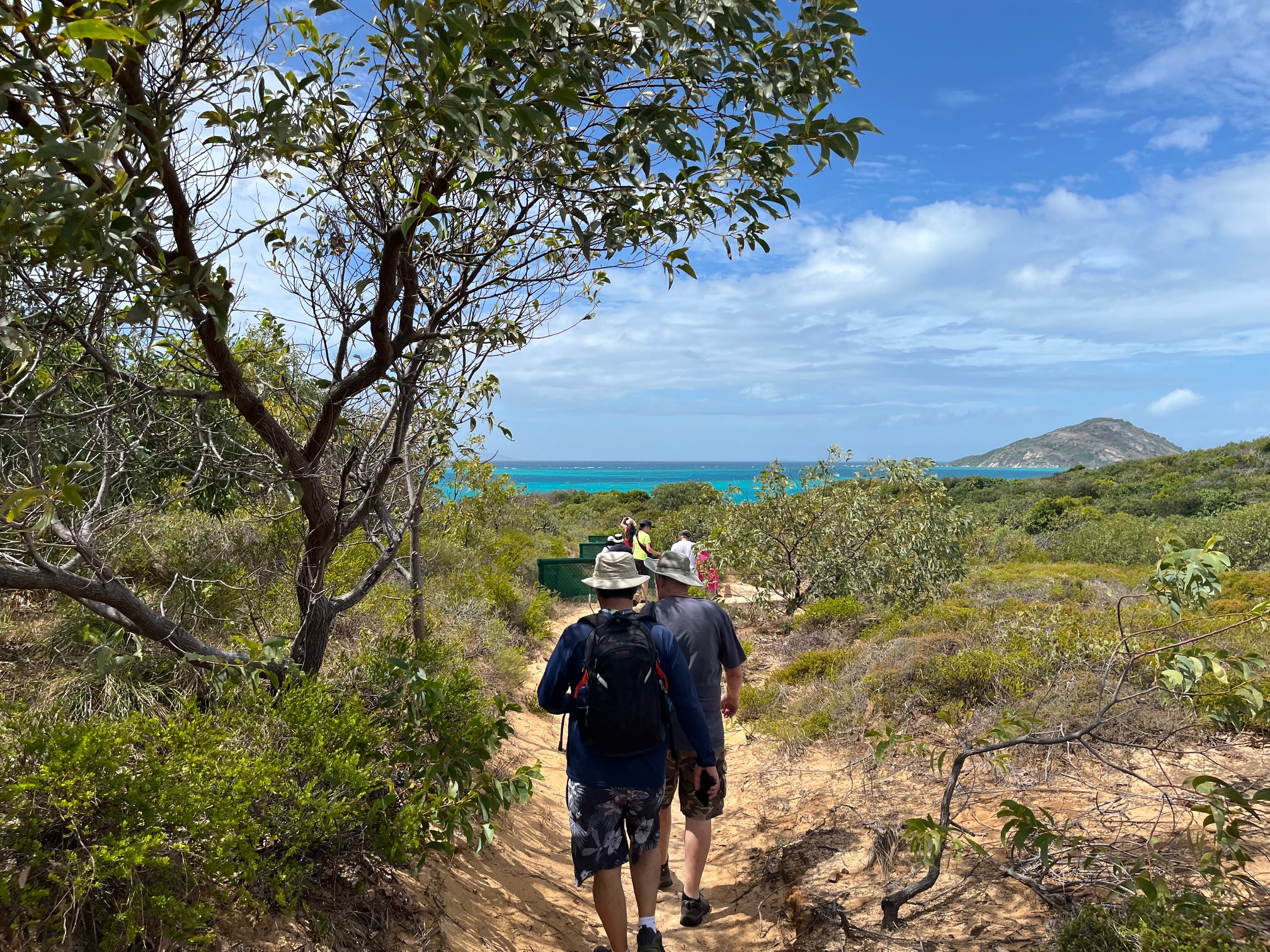
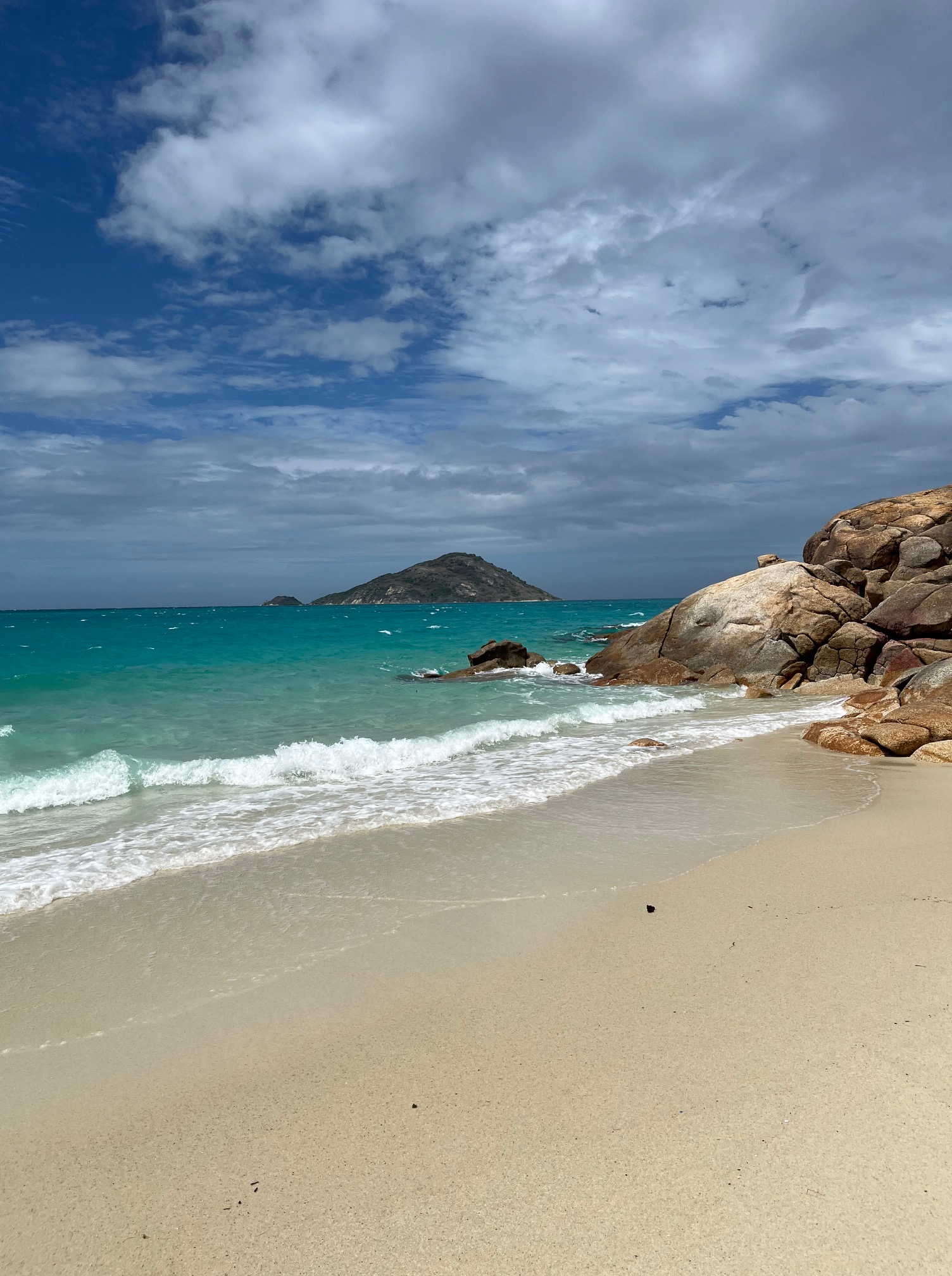
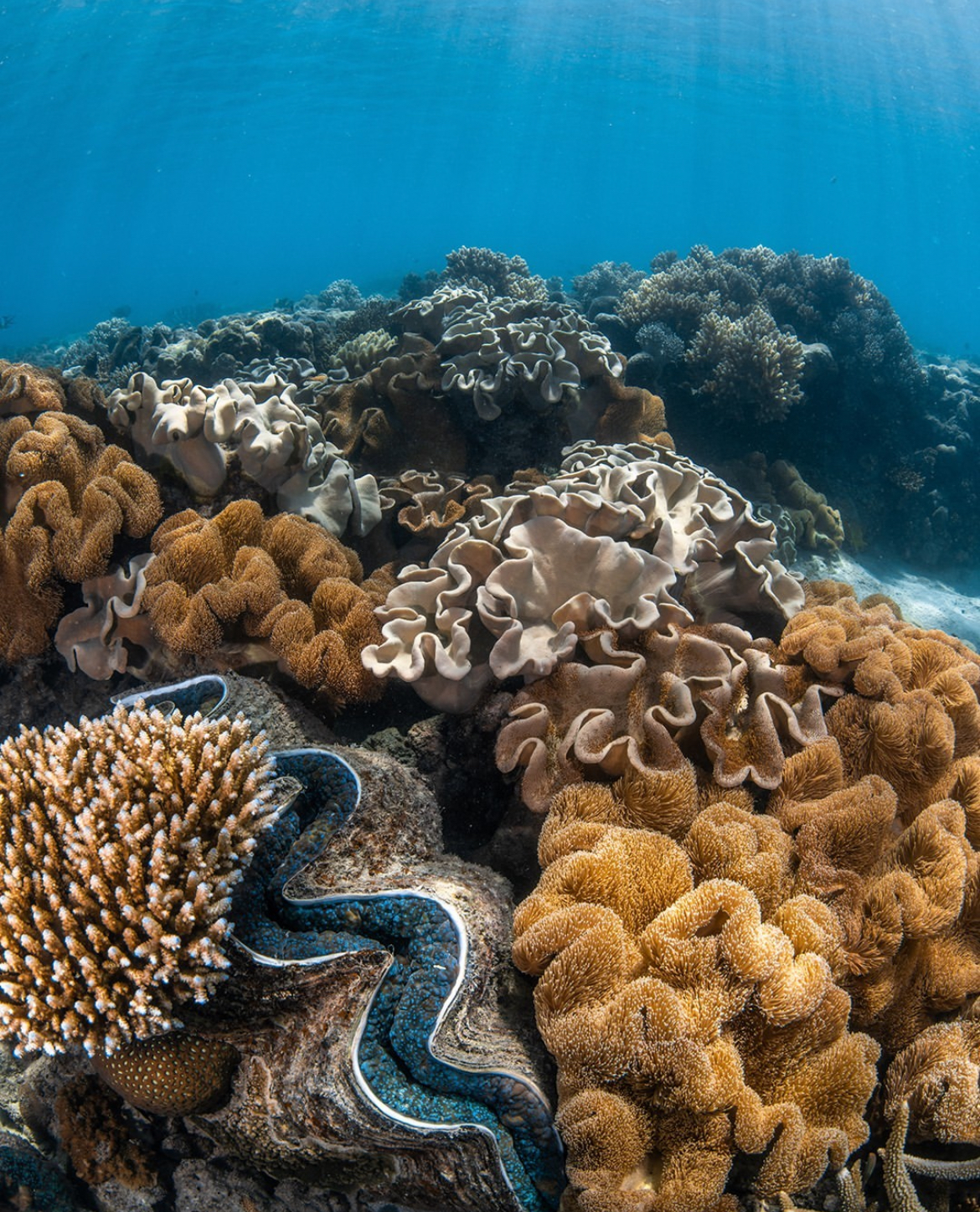
Our first stop after cruising out of Cairns was Lizard Island, where we wandered for a swim at Blue Lagoon in the morning and spent the afternoon snorkelling in the clam garden at Watsons Bay.
The coral was lush and healthy and the water was azure blue.
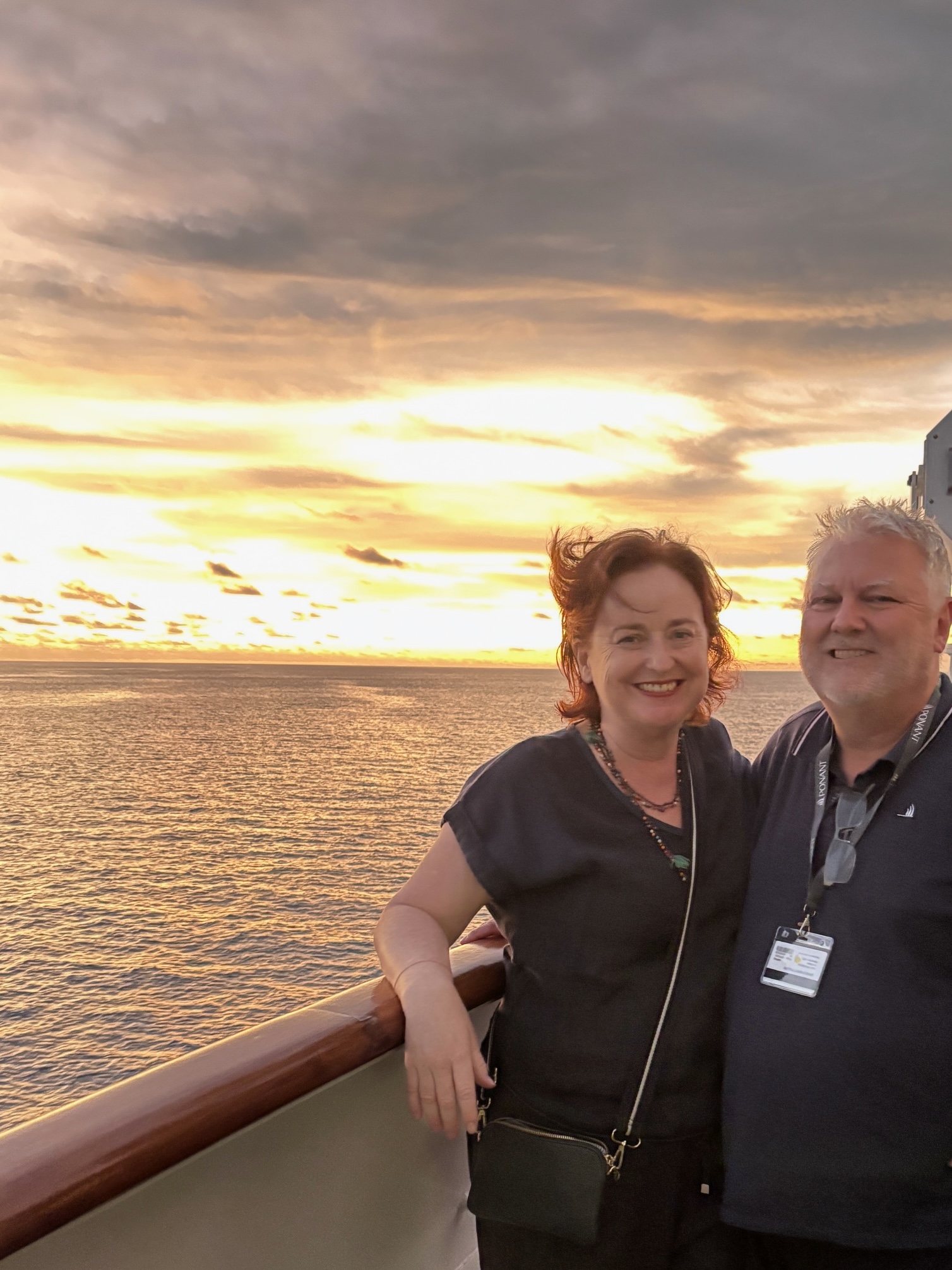
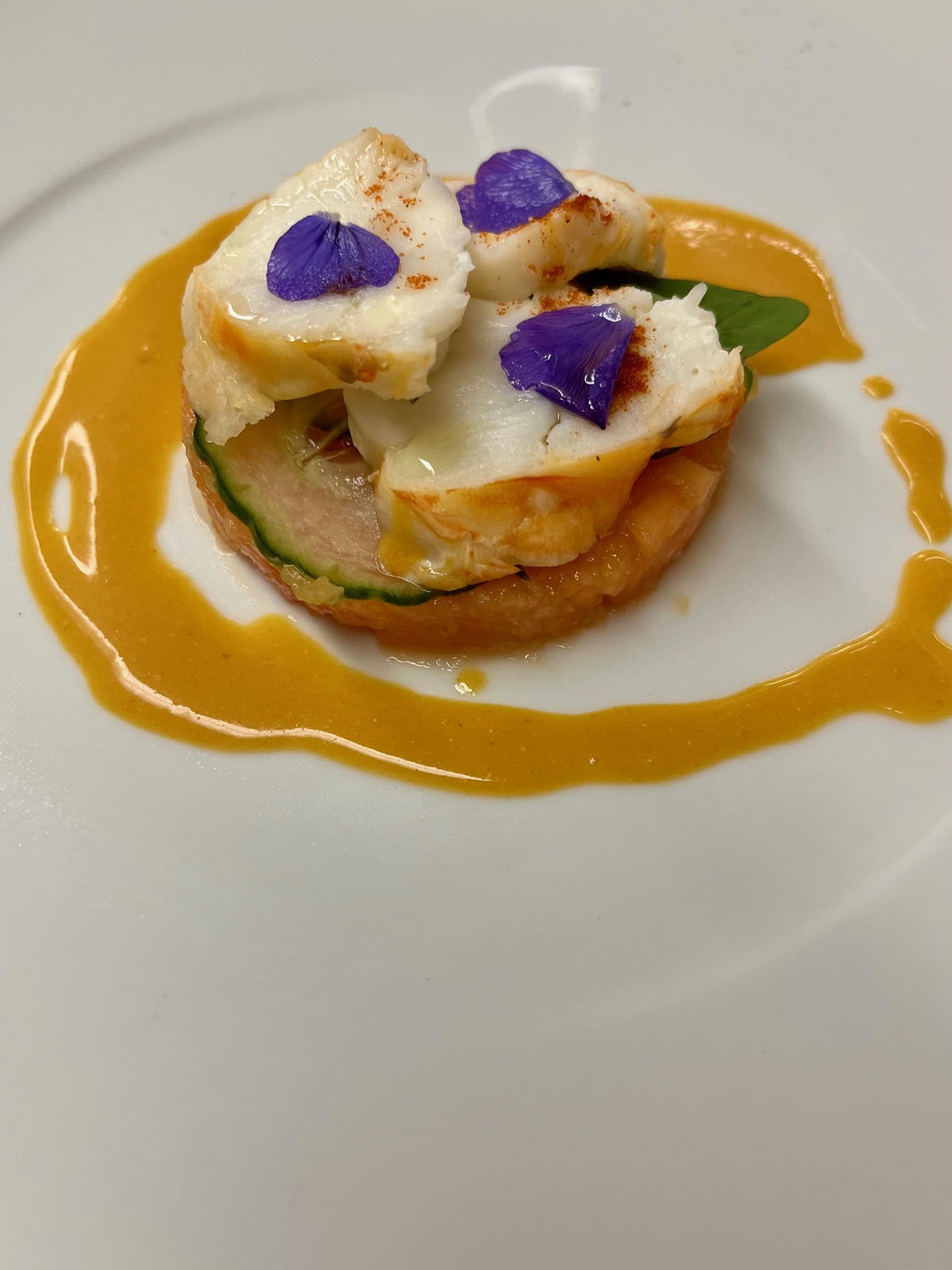
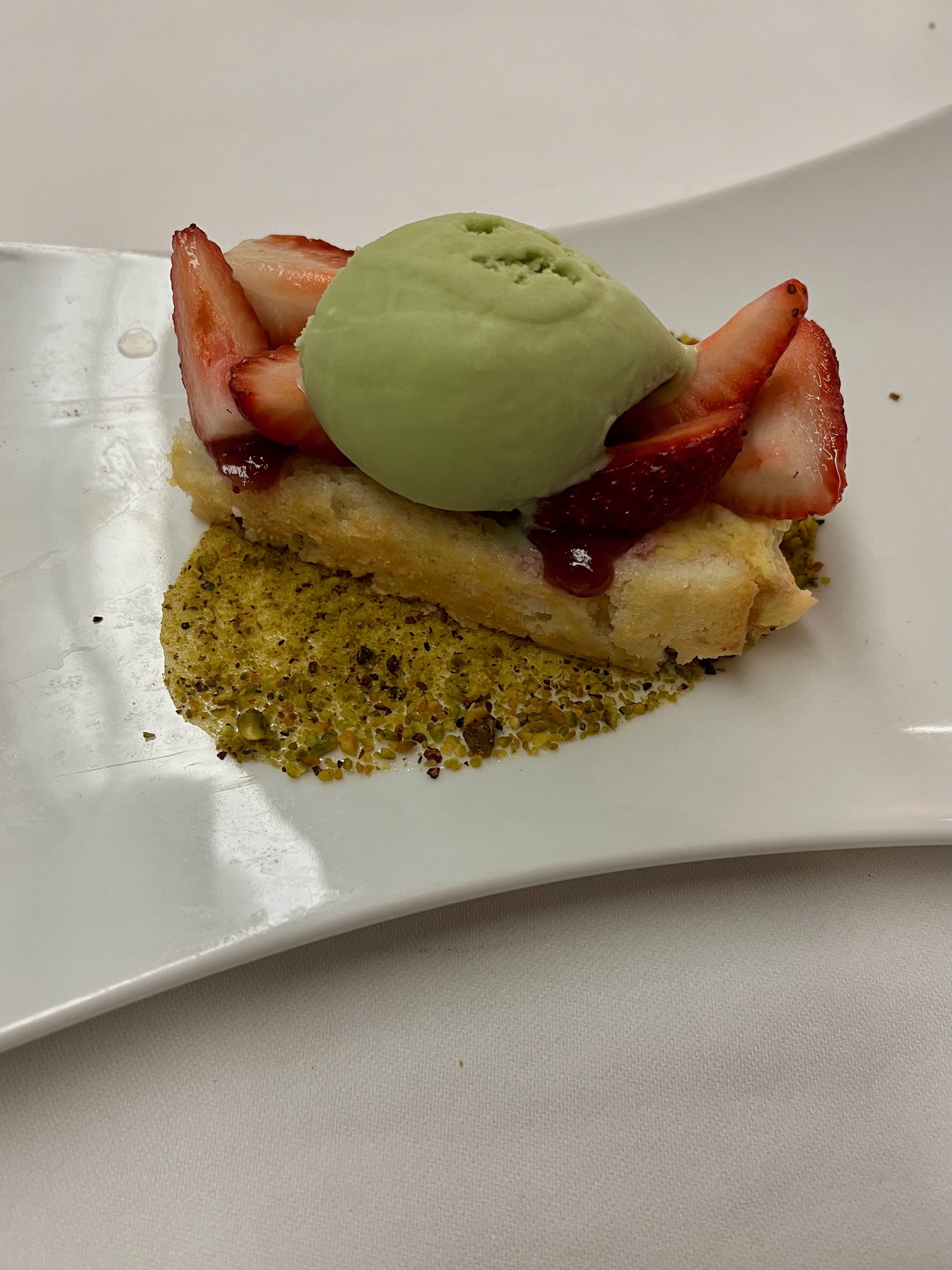
In the evening we watched the sun set with a glass of bubbles in hand before heading to a gala dinner, which featured luscious lobster and beef courses, with a strawberry and pistachio gelato dessert to finish.
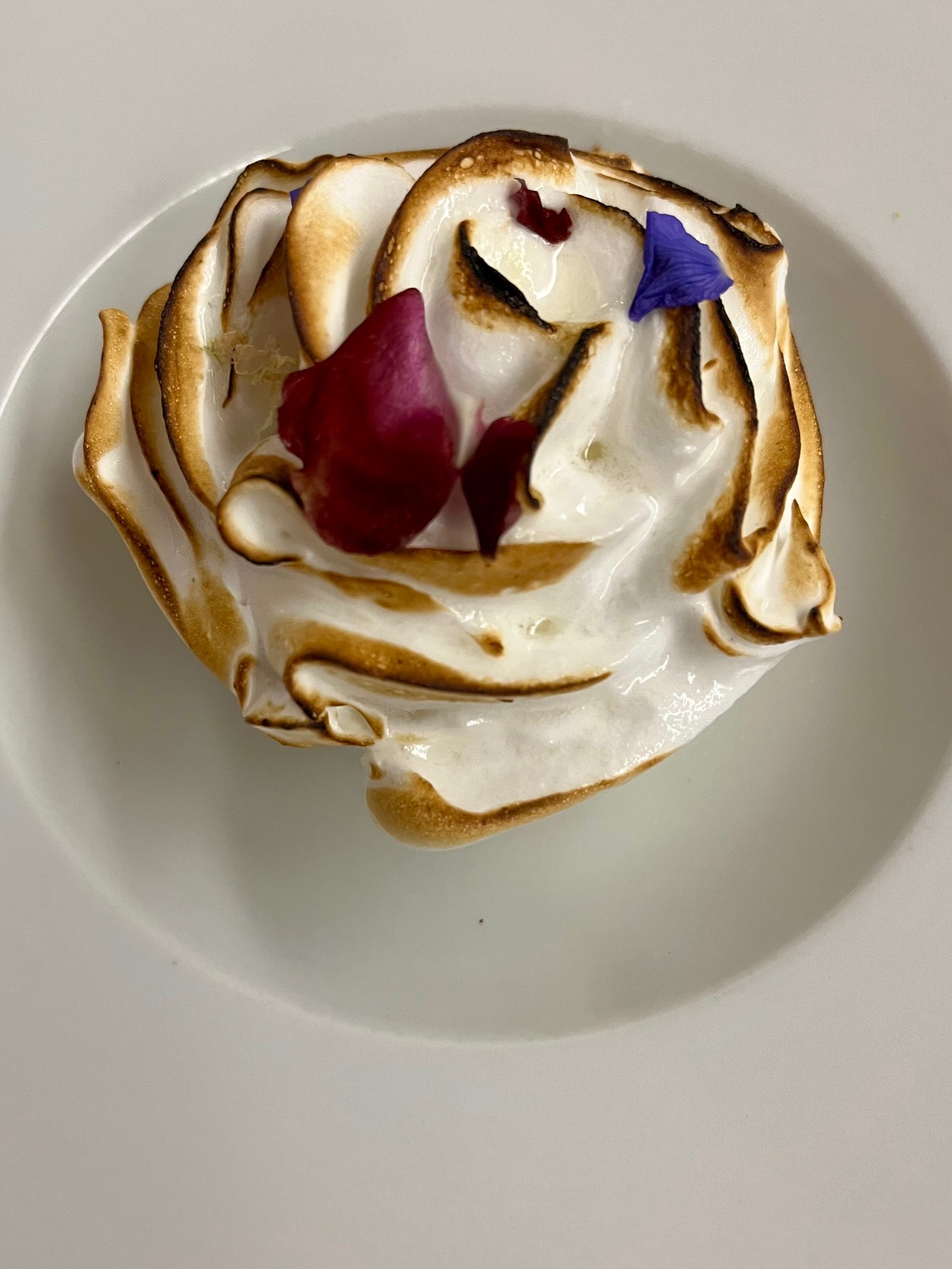
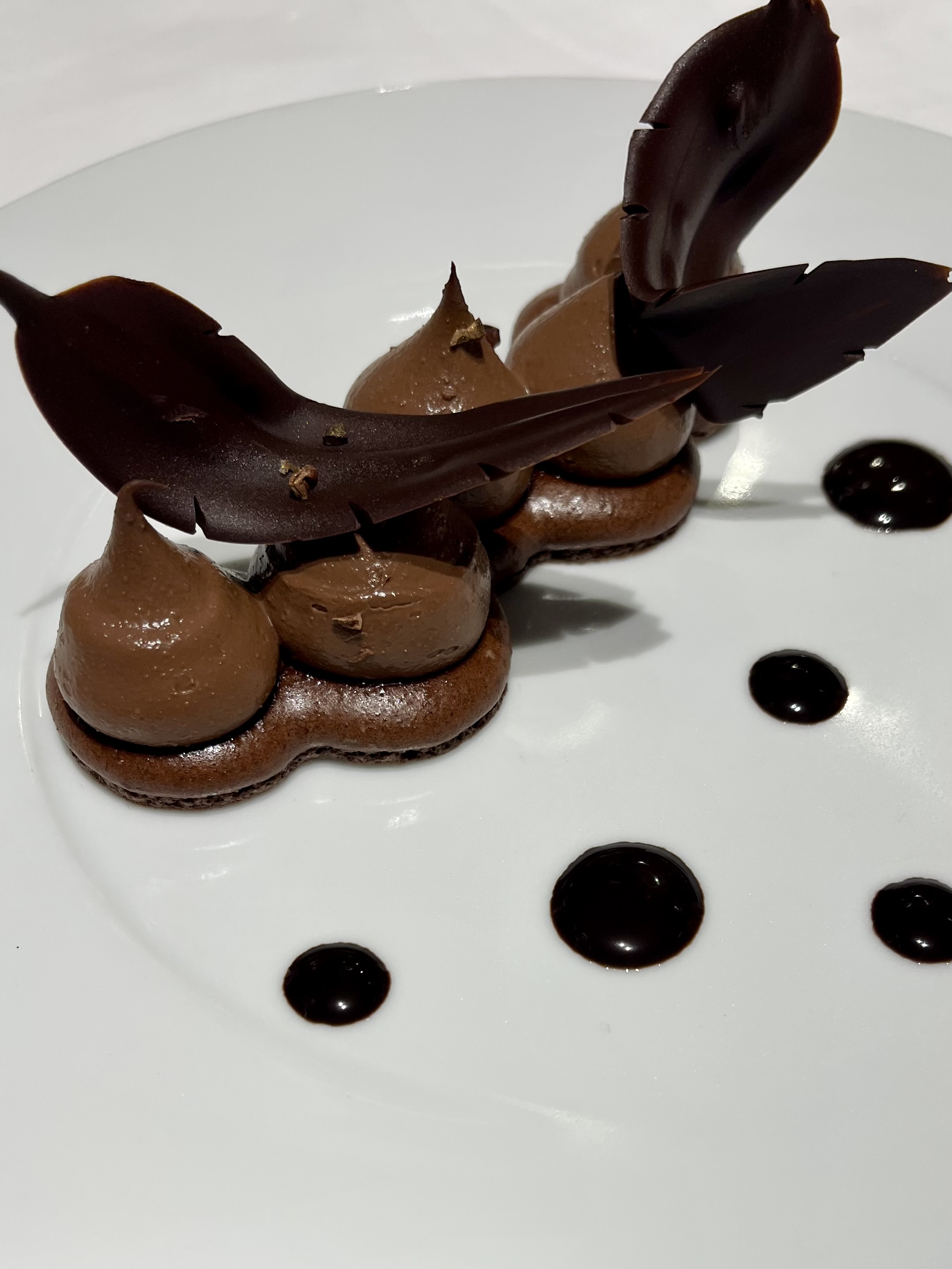
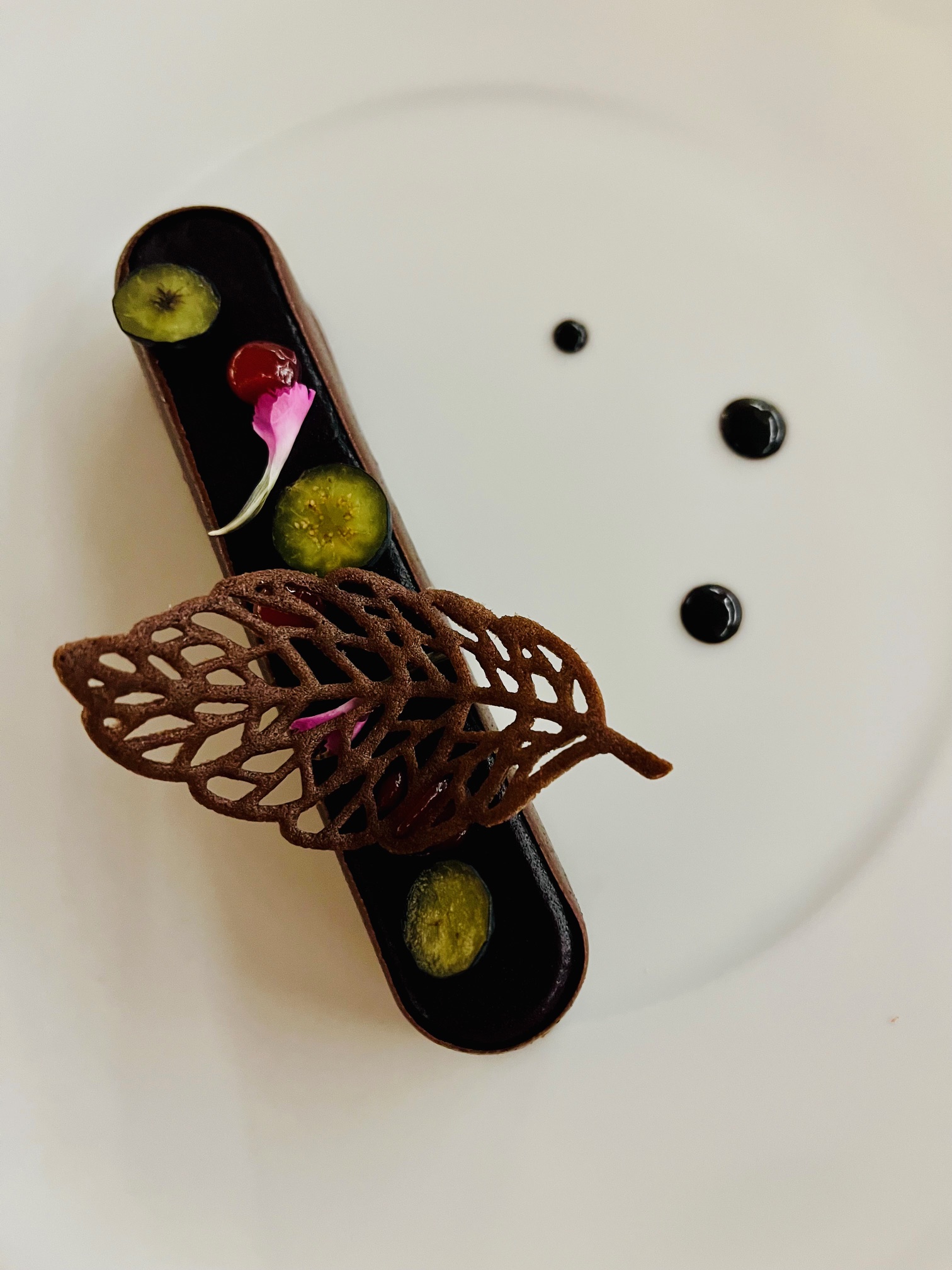
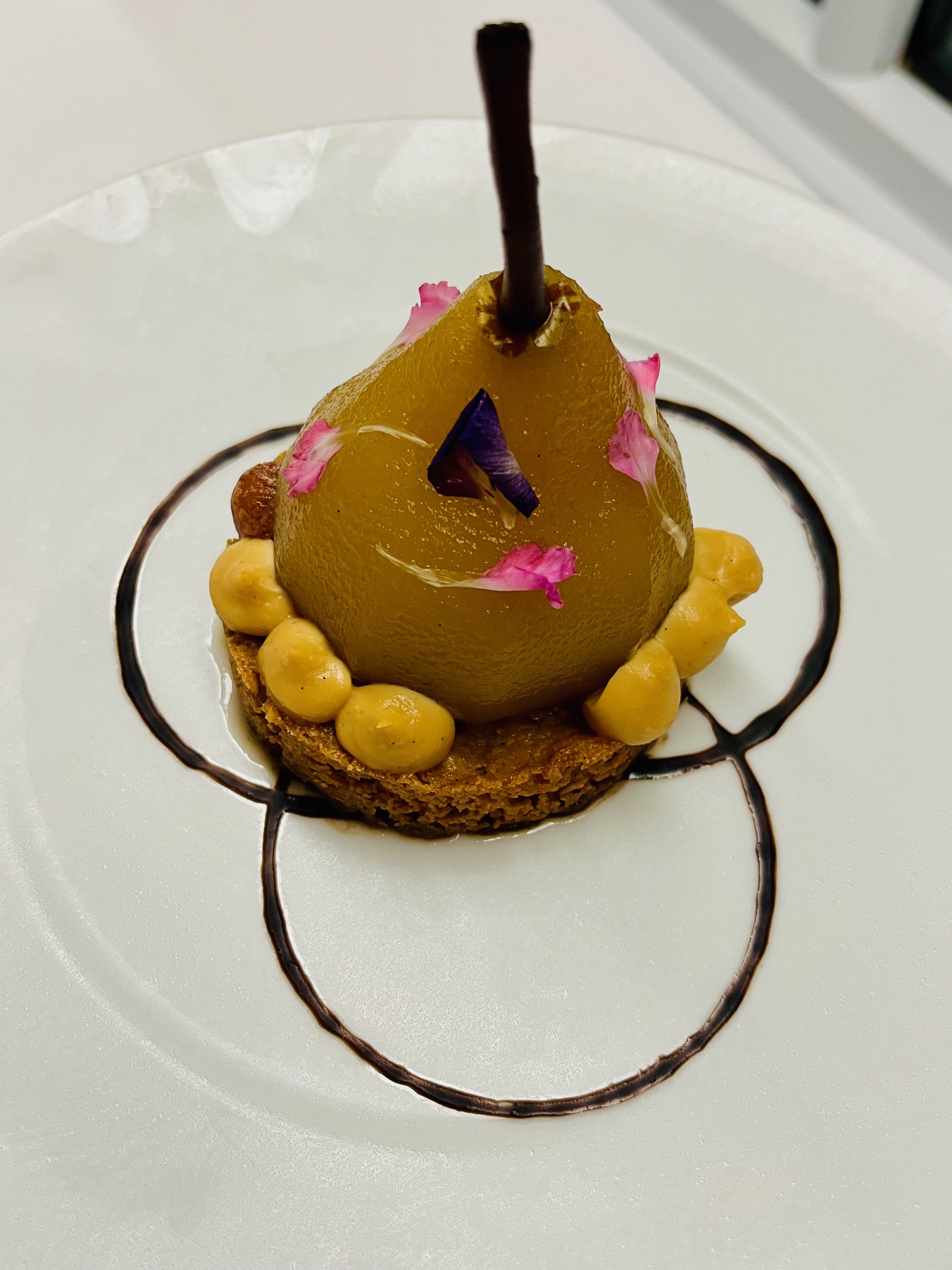
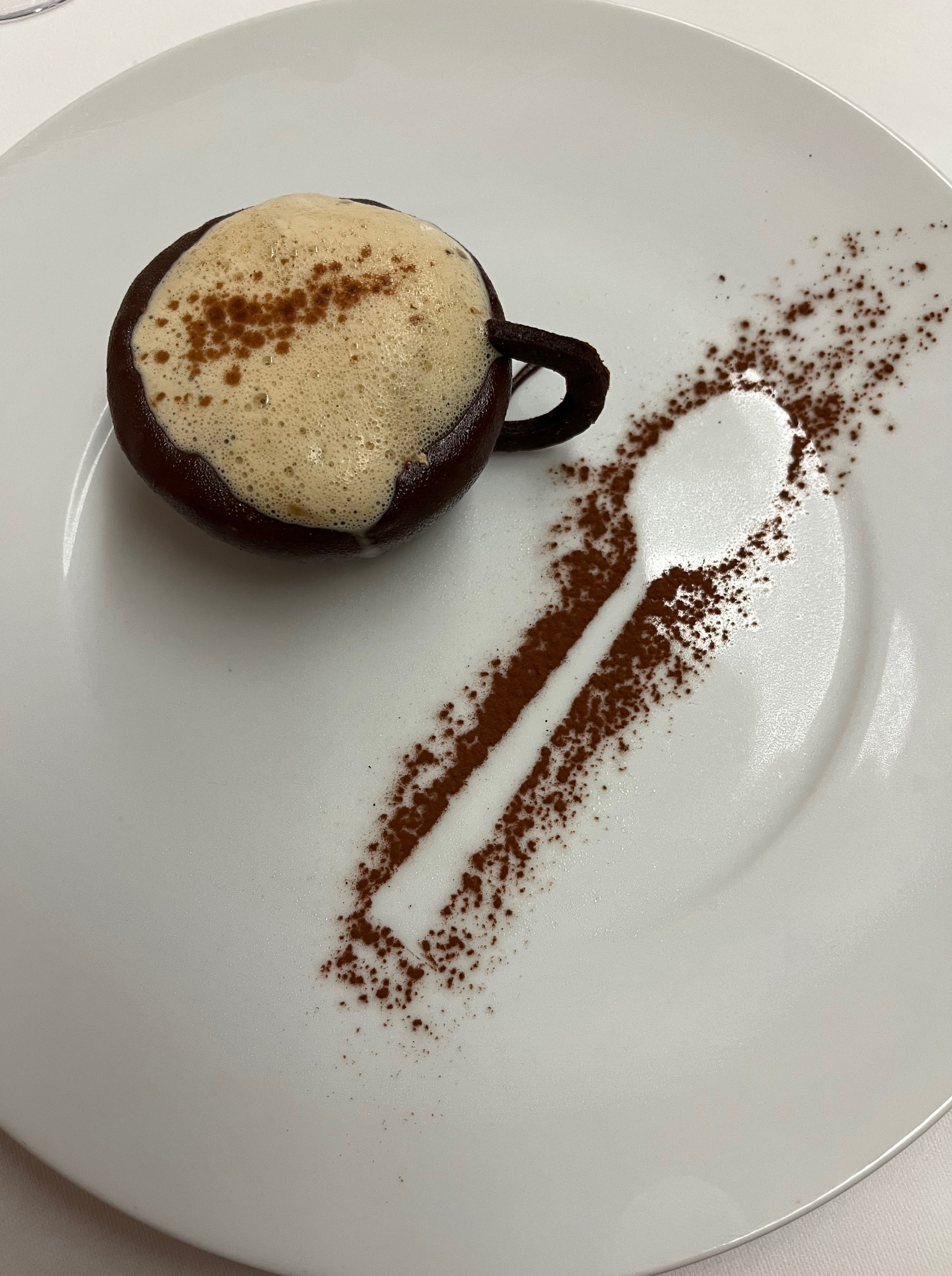
Our dessert was a sublime taste of what was to come. The ship’s pastry chef was incredibly talented. I’m not a dessert person, but she won me over with her creations, particularly a coffee cup-shaped cake.
A wonderful morning followed at Cape York, then we cruised through the impossibly aquamarine water surrounding Thursday Island (and Wednesday and Friday Islands – who knew?) to clear customs – via pilot boat – before heading to West Papua.
Le Soleal followed the coast north to our next port of call – the former head-hunter village of Agats in the province of Asmat.
The region is one the most remote and mysterious places on the planet. There are at least 44 tribes in the jungles of Papua that have never had contact with the outside world.
Agats is located on the edge of the Asmat Swamp, believed to be the largest alluvial swamp in the world, and our arrival needed to be planned carefully to coincide with the tides. During high tide the water can rise up to five metres above sea level, so all buildings and roads in the town are elevated on wooden or concrete structures.
The ship cruised up the river at high tide and needed to remain there during low tide, as there was less than three metres clearance from the bottom of the river.
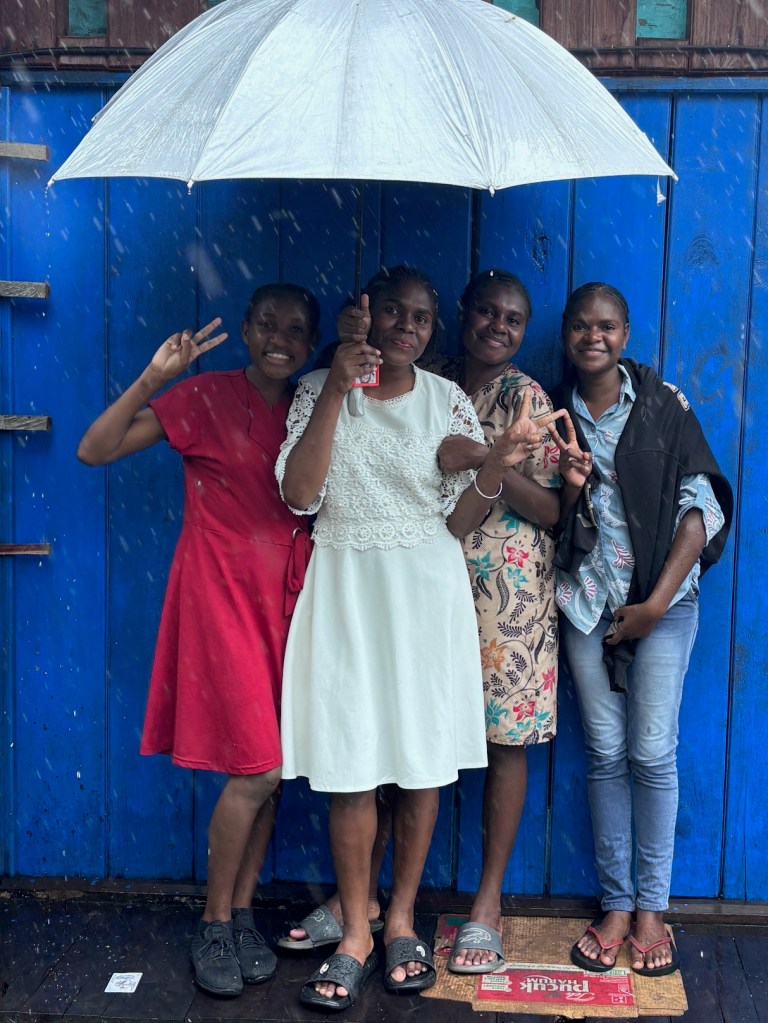
We were transferred by zodiac to the town’s main wharf and disembarked for a guided tour of the local market, museum and church. Electric motorbikes whizzed past, baby chicks pecked at the floors of open-fronted stores and local children cheerily waved as we walked past.
Most of the town is built on stilts above the swamp and it was fascinating to see how residents spend most of their lives perched above the water.
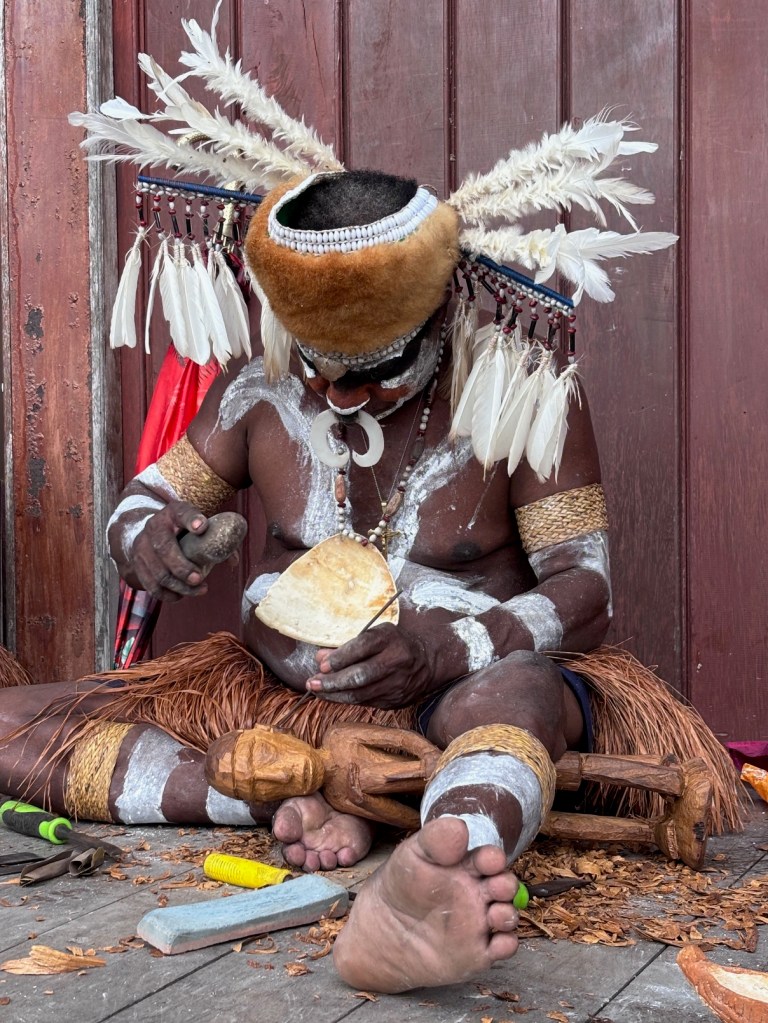
Agats Museum was fascinating, filled with examples of the region’s famed wood carvings. A trio of talented locals sat outside, producing artworks for the museum’s shop.
In the afternoon we visited a small, neighbouring village called Syuru, where we were met by a flotilla of warrior canoes. It was entertaining to see that even warriors wear sunnies these days …
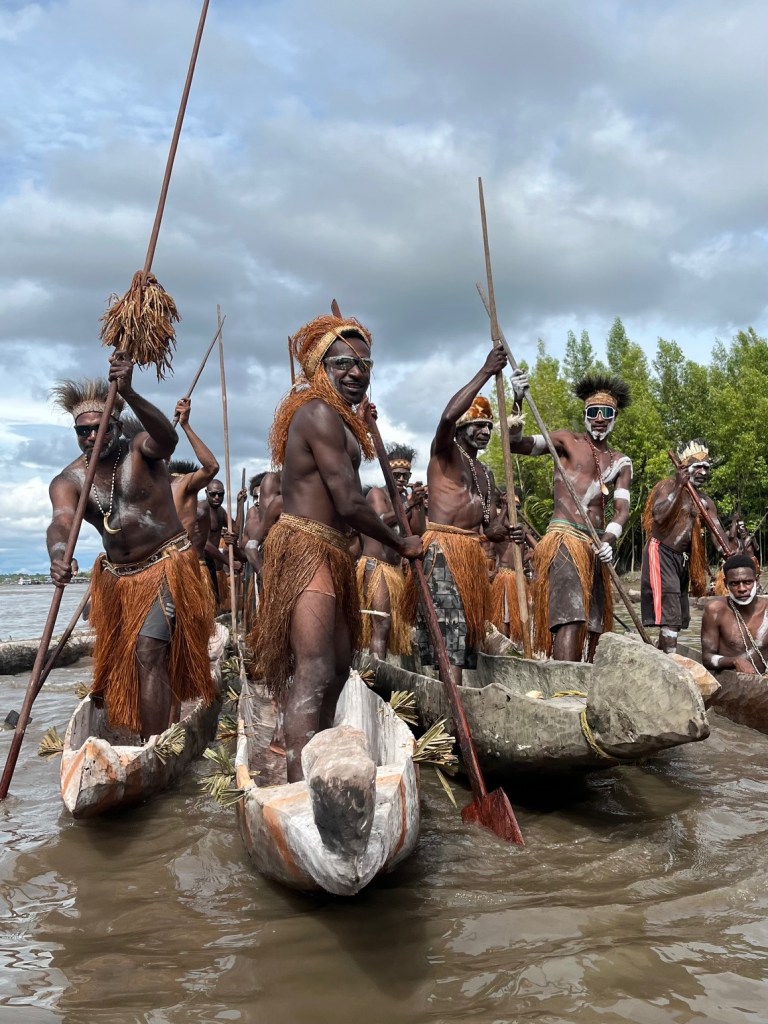
Our zodiacs were surrounded by the warriors, who rhythmically beat their wooden paddles against the sides of the wooden canoes and shouted and sang as they sailed among us.
They led us to a pier and we entered the village, clambering across a precarious wooden bridge on stilts. Then we settled in front of the longhouse alongside hundreds of local women and children in traditional dress. We waited together for the chief to step onto a platform with a posse of warriors, who erected two ceremonial carved poles.
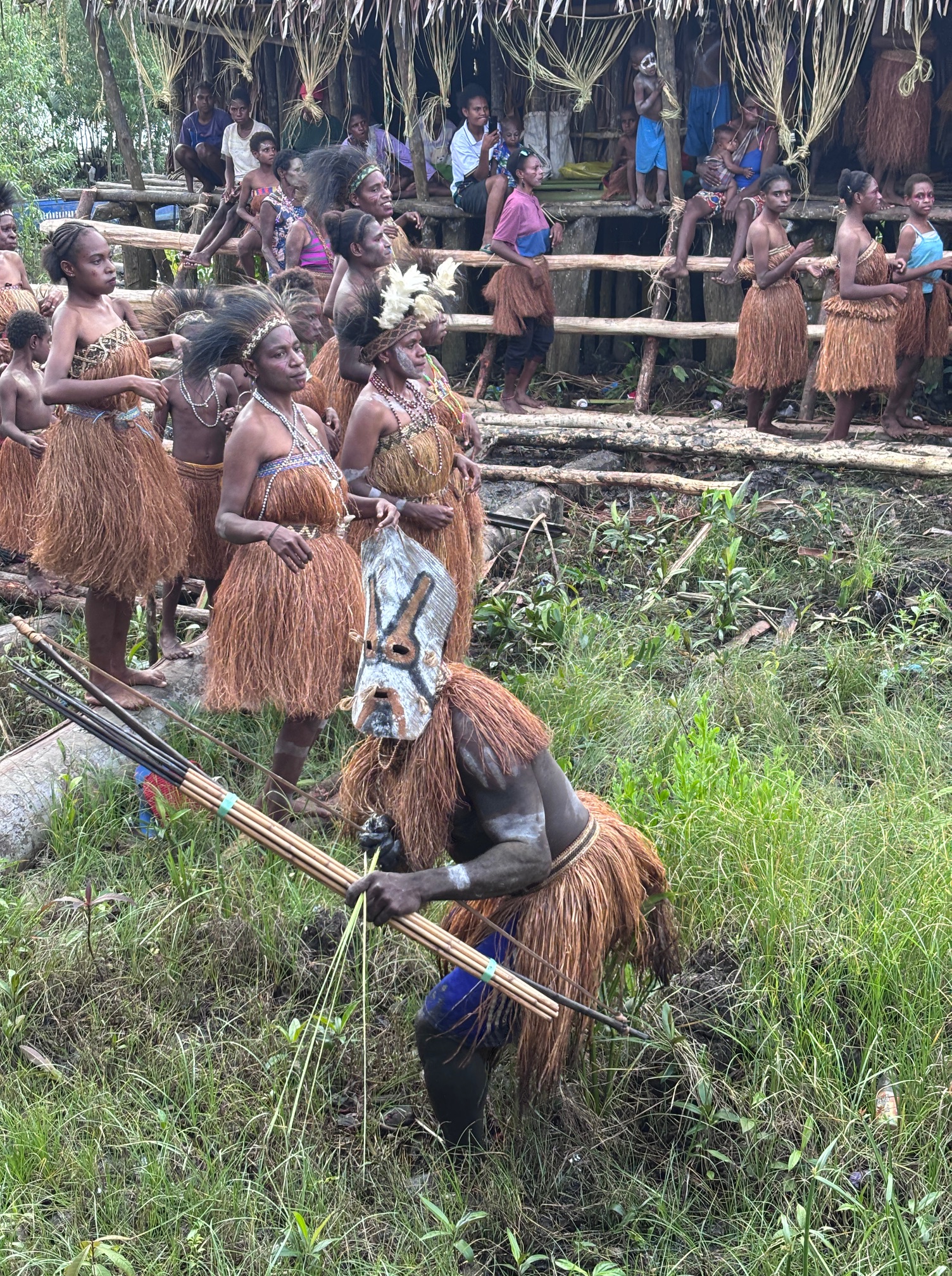
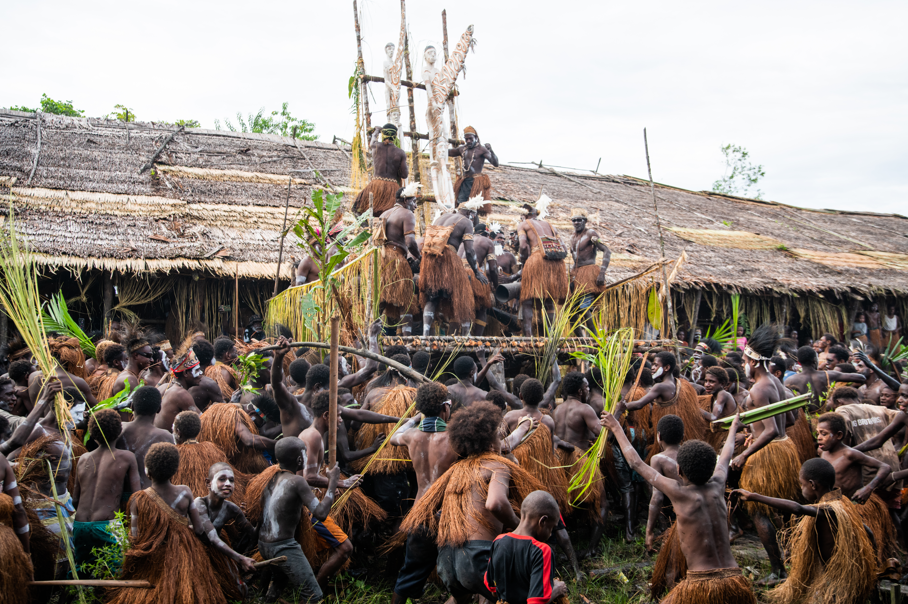
The women and children danced and sang, while a lone warrior darted through the crowds in a mask, wielding a bow and arrow.
The poles were traditionally made to honour tribesmen killed during head-hunting raids. They served as metaphorical canoes to carry the spirits of the dead to the realm of their ancestors.
We were awed to experience such an unforgettable day in this remote part of the world.
We sailed into West Papua’s Triton Bay at dawn, with the Captain using dynamic positioning to hold the ship in place, as the anchor might damage the reef.
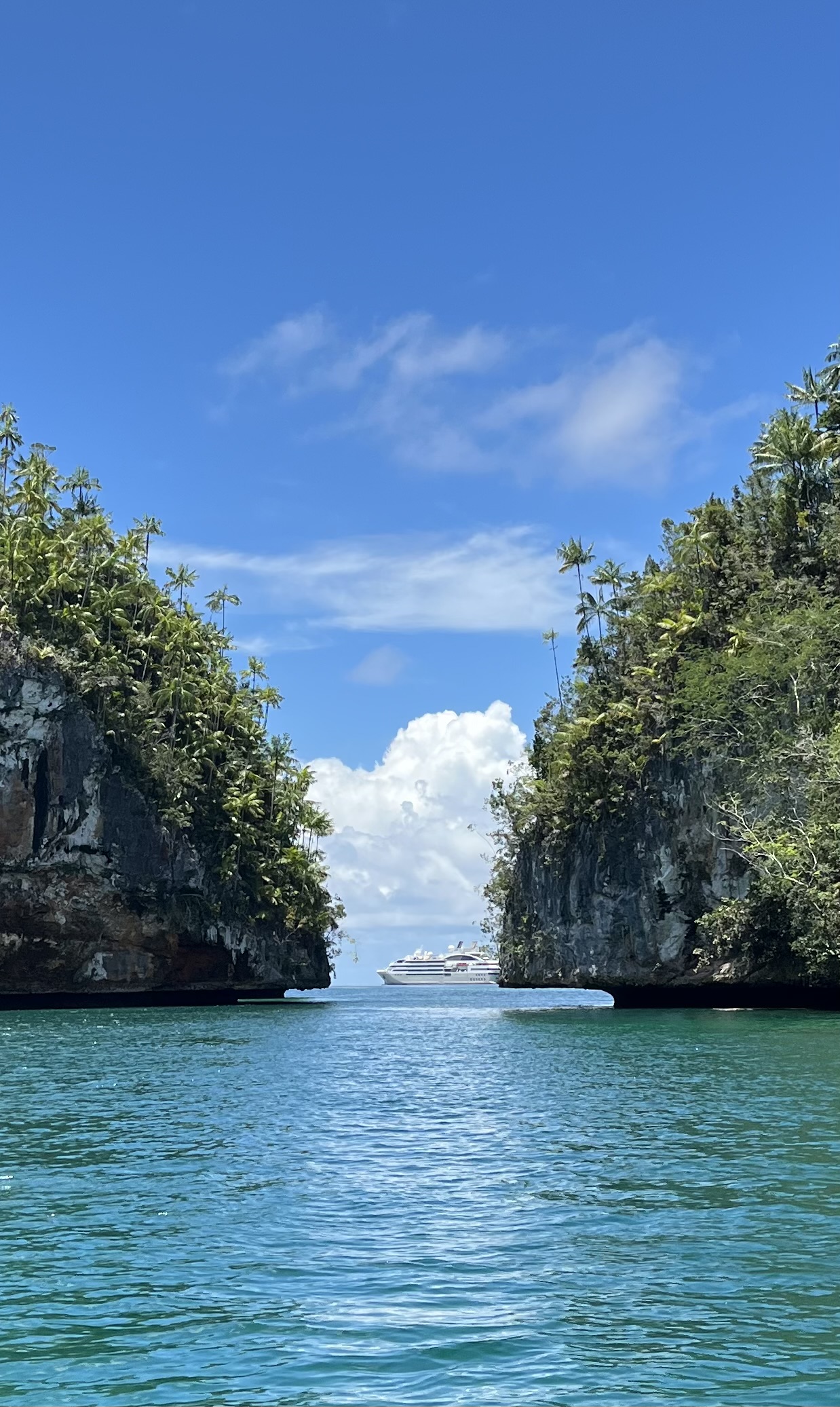
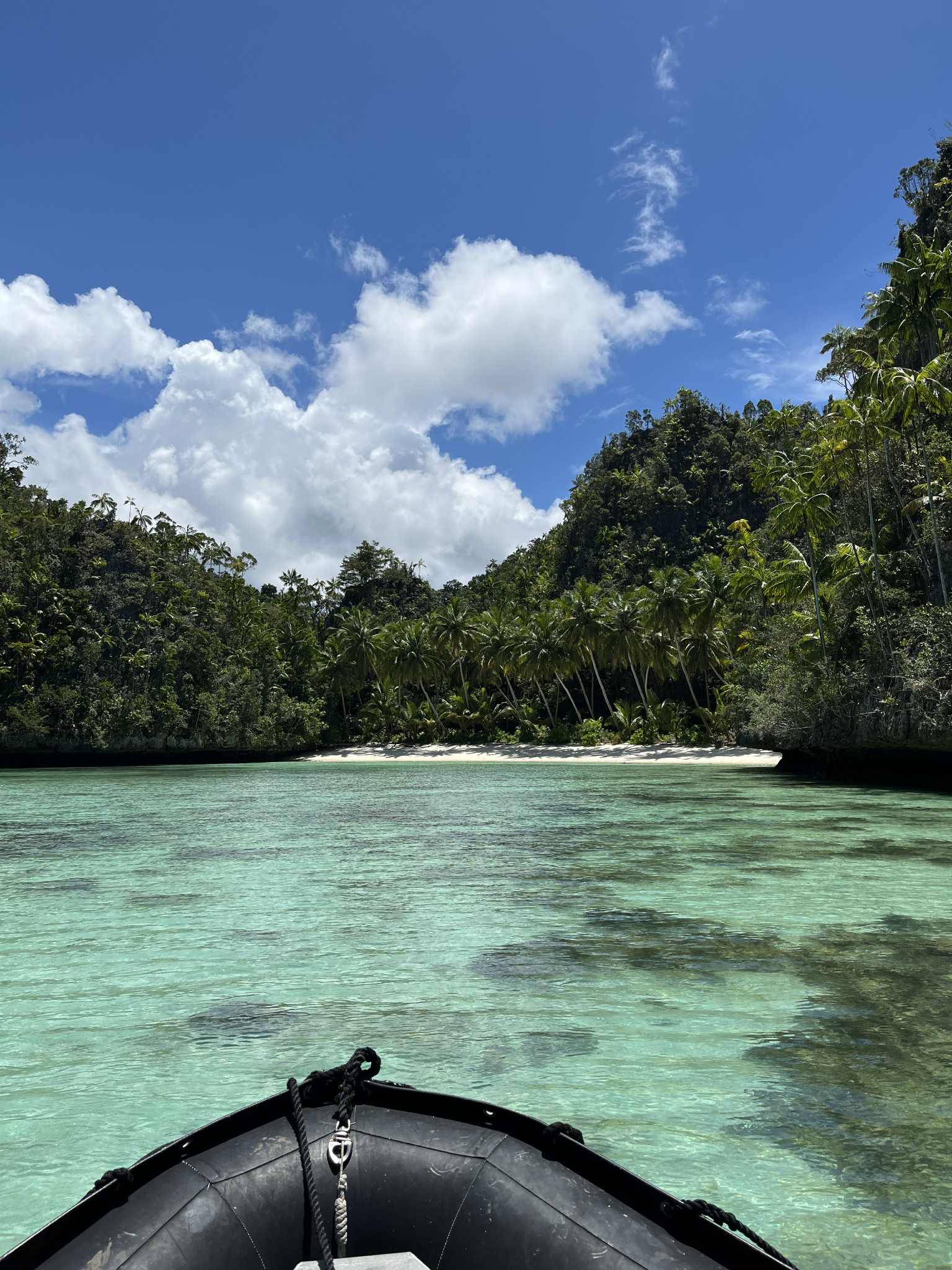
Triton Bay is located in the ‘Coral Triangle’, which has more biodiversity than anywhere else in the world. It covers 5.7 million square kilometres of tropical marine waters in Indonesia, Malaysia, Papua New Guinea, the Philippines, Solomon Islands and Timor-Leste. Known as the “Amazon of the seas,” it contains about 75% of the world’s coral species and a third of its reef fish species.
A cruise is the easiest way to get to Triton Bay. Otherwise, it requires a flight from Jakarta or Bali to Sorong, then to Kaimana, followed by a boat transfer that can take up to three hours.
One of the area’s unique features are its towering limestone outcrops covered in lush vegetation – called karsts – that rise dramatically from the sea.
The islands create sheltered bays and channels where you can explore shallow coral gardens and swim with everything from tiny pygmy seahorses to massive schools of fish.
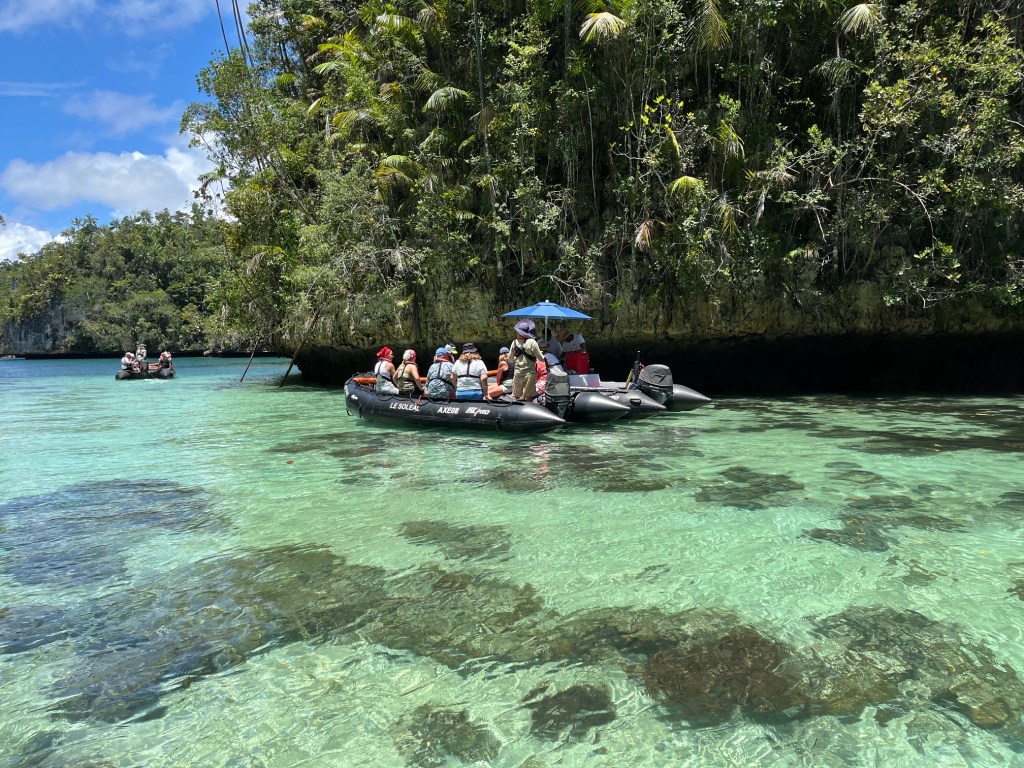
Our morning involved a spectacular two-hour zodiac ride in the bay, including a stop at a pop-up espresso martini stand!
In the afternoon we cruised to a spectacular beach to swim and snorkel around the nearby karsts. Snorkelling highlights included a family of clown fish darting around an anemone, colourful clams and gorgeous little patches of purple, green and pink coral.
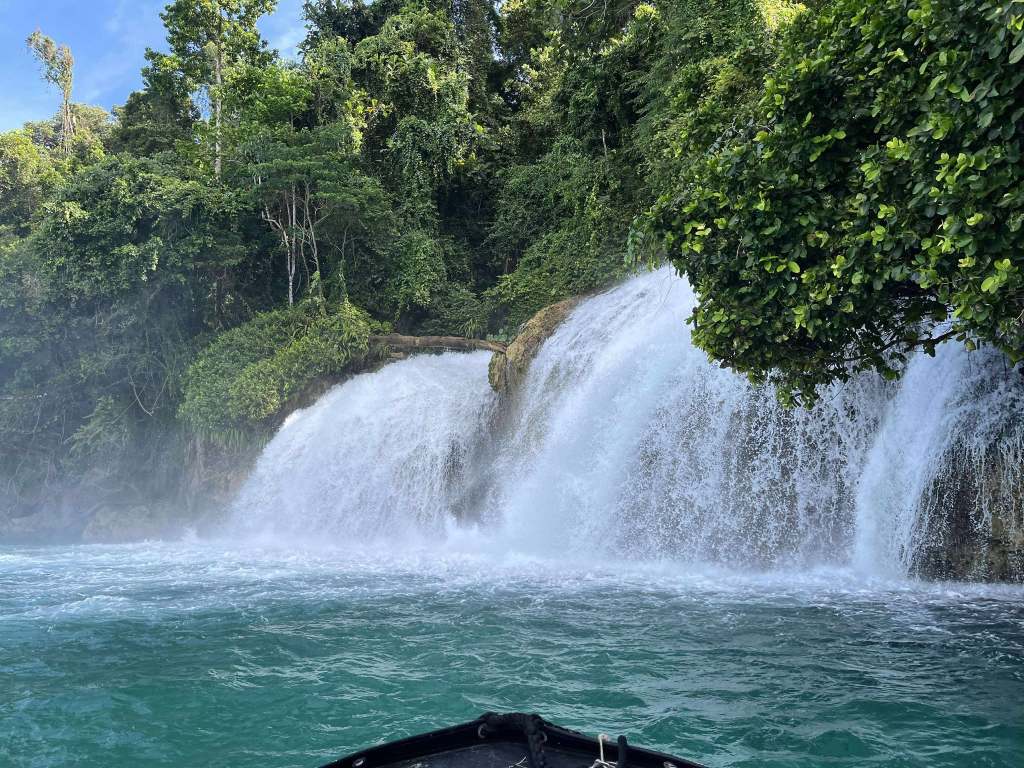
Our next port of call was Kiti Kiti Waterfall, nestled in lush jungle and accessible only by boat. The spectacular natural wonder cascades fresh water directly into the ocean, through a crack in the rocks rather than a river or stream.
We set off in zodiacs to see the waterfall up close and view two karst islands that are home to hundreds of flying foxes.
As our zodiac circled the karsts, the creatures swirled in the air above us and dangled like bunches of grapes on the cliffs and trees.
Then we explored the nearby shoreline, gliding over coral and aquatic life. Back on the ship we enjoyed a seafood barbecue on deck with a gun-barrel view of the falls.
Then we returned to Kiti Kiti at low tide for a swim in the crystal-clear water beneath the waterfall. After floating in the aquamarine magic, we clambered up onto the rocks to be pummelled by the water. It was so intense and shockingly cold that I laughed and laughed as the water poured over me.
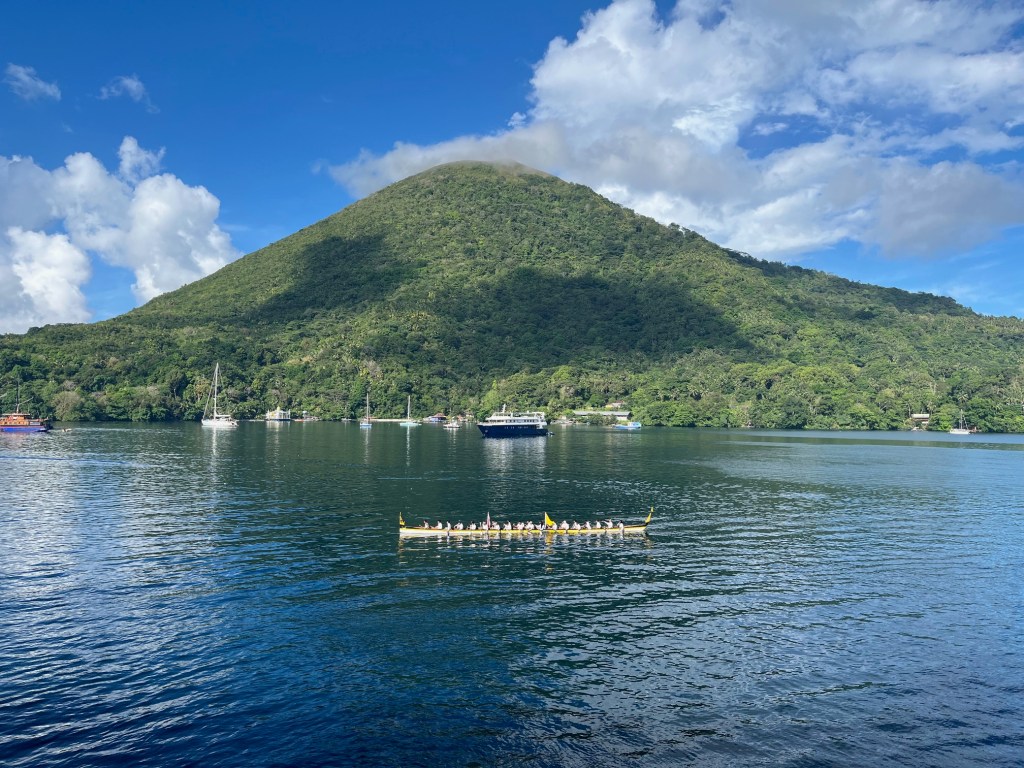
We rose early yesterday morning for the spectacular experience of sailing into Banda Neira harbour. Two dolphins undulated past the ship’s prow as we approached the entrance to the port. Then two long canoes filled with singing locals and drummers appeared and accompanied us to our landing site.
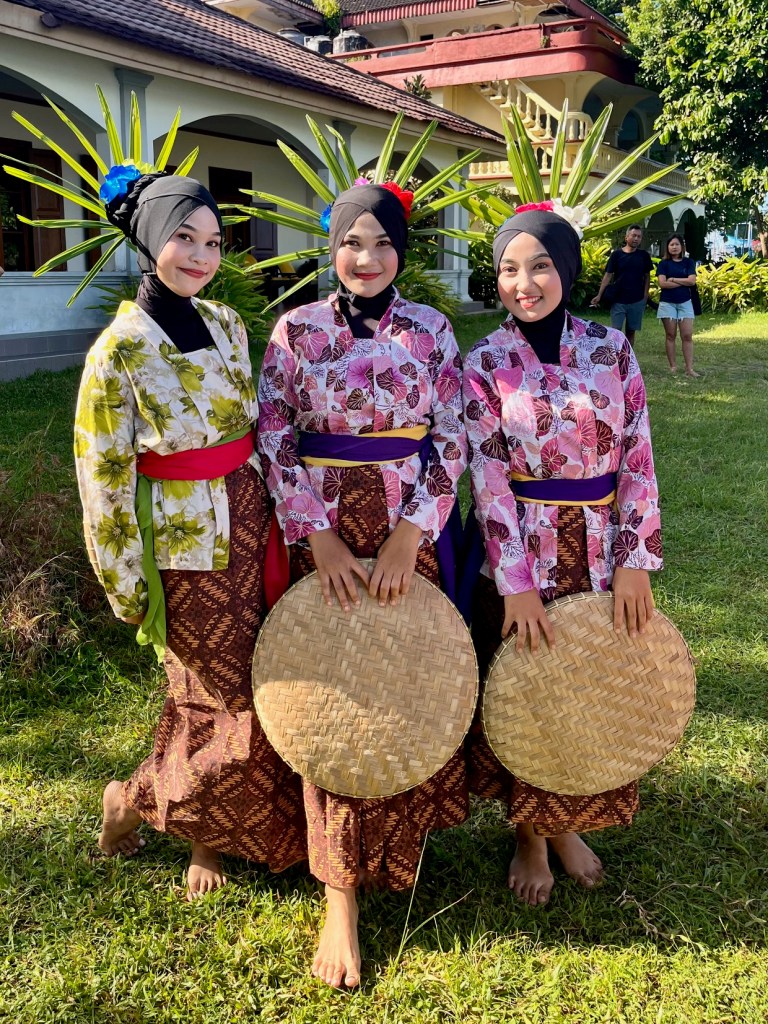
After we disembarked, dancers performed during a welcome ceremony, while bowls of candied nutmeg flesh were passed around for us to sample. I didn’t realise nutmeg was a fruit with flesh until that moment – it was delicious.
Now a sleepy Indonesian outpost, 500 years ago Banda Neira was the centre of the spice trade.
The Banda Islands were the only place in the world that nutmeg and mace grew endemically and the spices were in high demand. Used to flavour food and as medicines and preserving agents, the value of nutmeg soared to the equivalent of gold.
After the British learned to cultivate nutmeg in other parts of the world, Banda Neira returned to being a quiet outpost and is more famed these days for its diving than its spices.
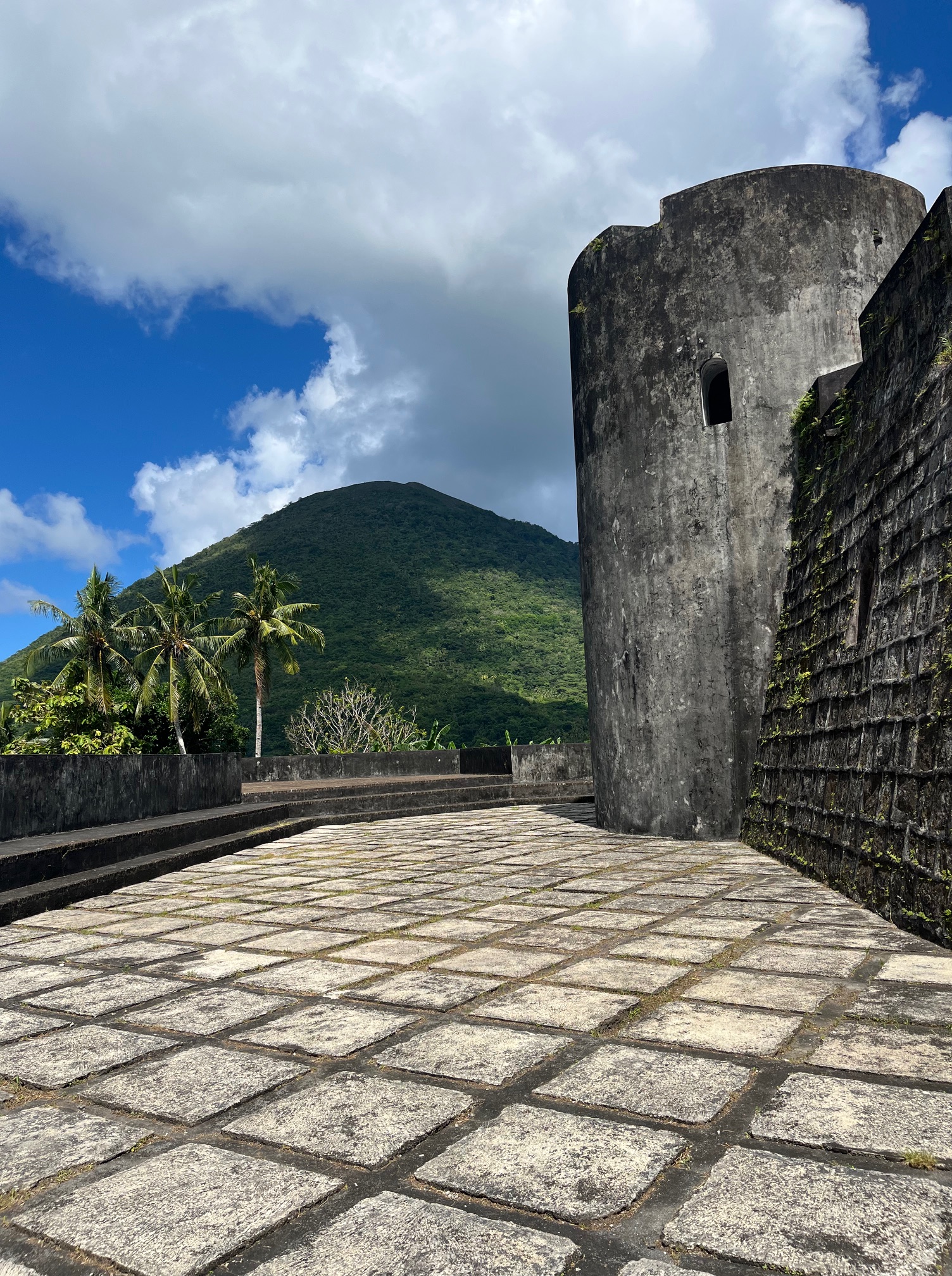

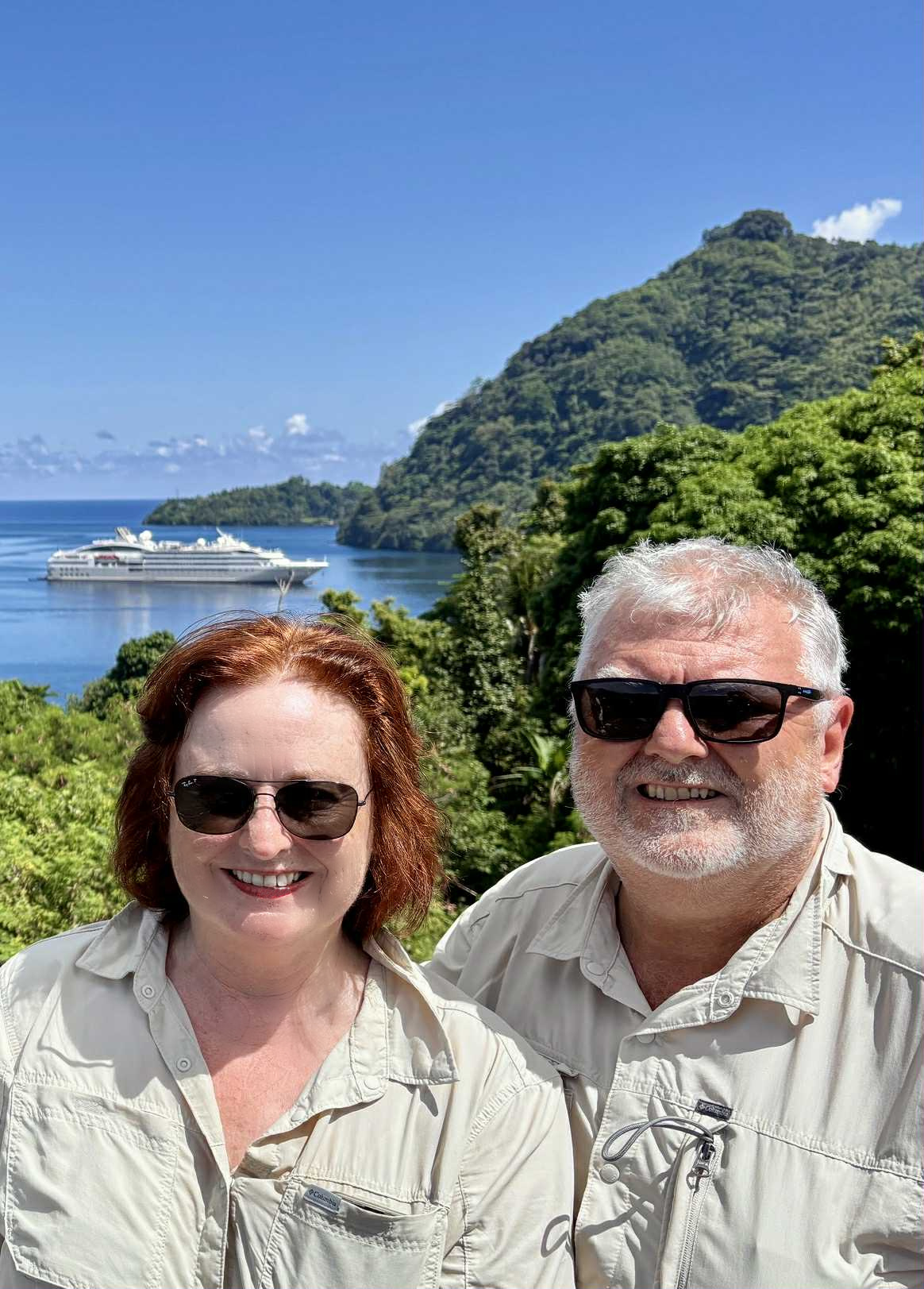
It was a sweltering morning as we set off to explore the town, stopping by the local museum and climbing hundreds of stairs to Fort Belgica. Built by the Dutch East India Company in the 17th century, it’s one of the last remaining European forts in Indonesia.
We cooled off afterwards with iced cinnamon tea and baked treats at Cilu Bintang Estate, an atmospheric colonial-style hotel. The chefs had prepared an incredible buffet of sweet and savoury treats for us to sample, including delicious green pancakes filled with coconut jam.
In the afternoon we cruised around the Banda Api volcano, which last erupted in 1988, spotting a blue whale breaching along the way.
At the base of the volcano we went snorkelling, where the variety of tropical fish and coral was simply wonderful – there were at least three types of clownfish I had never seen before and lots of green, yellow, orange and purple coral, with the occasional splash of blue.
We had a great time exploring before finally climbing into a zodiac and returning to the ship to shower, hydrate and dress for a white party on the pool deck.
Waiters served Champagne and cocktails, accompanied by fabulous, freshly caught Banda Neira tuna sushi and sashimi.
Next, Le Soleal visited a remote region off the coast of East Timor called the Barat Daya Islands. We enjoyed a relaxed afternoon there, snorkelling off the beach on an uninhabited island called Pulau Kital.
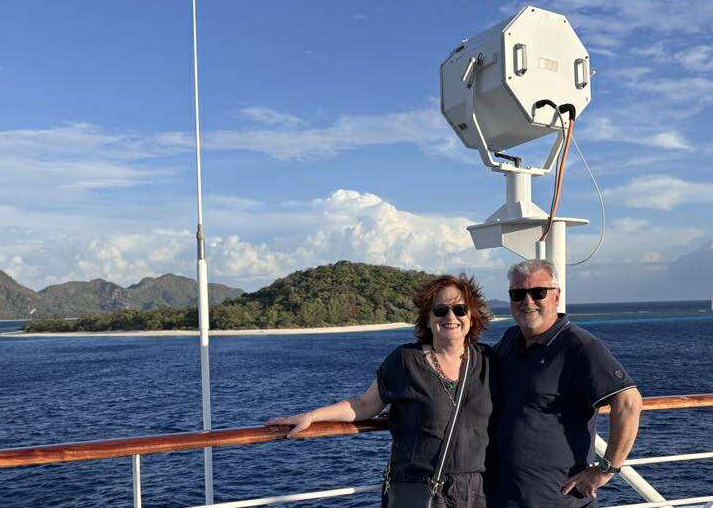
Bathed by the Banda Sea, the islands have fine, sandy beaches and are surrounded by healthy coral reefs.
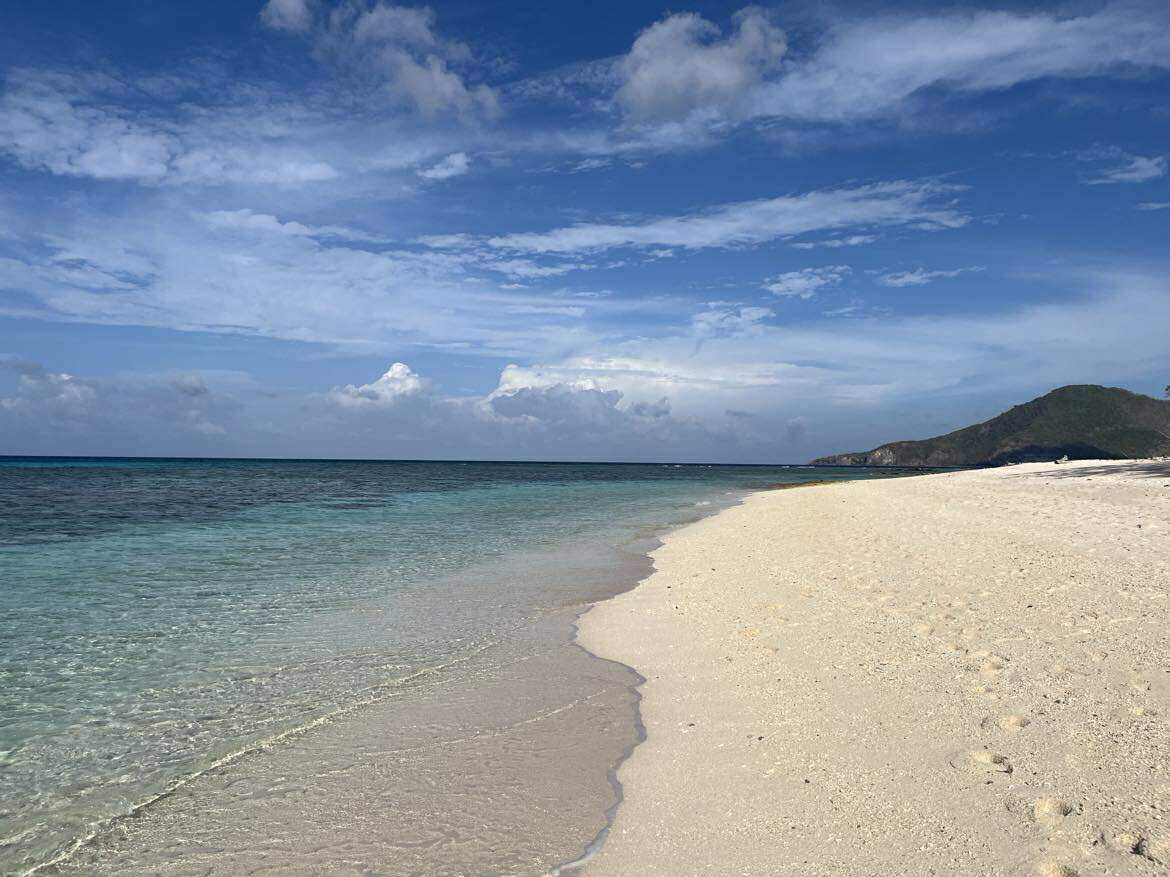
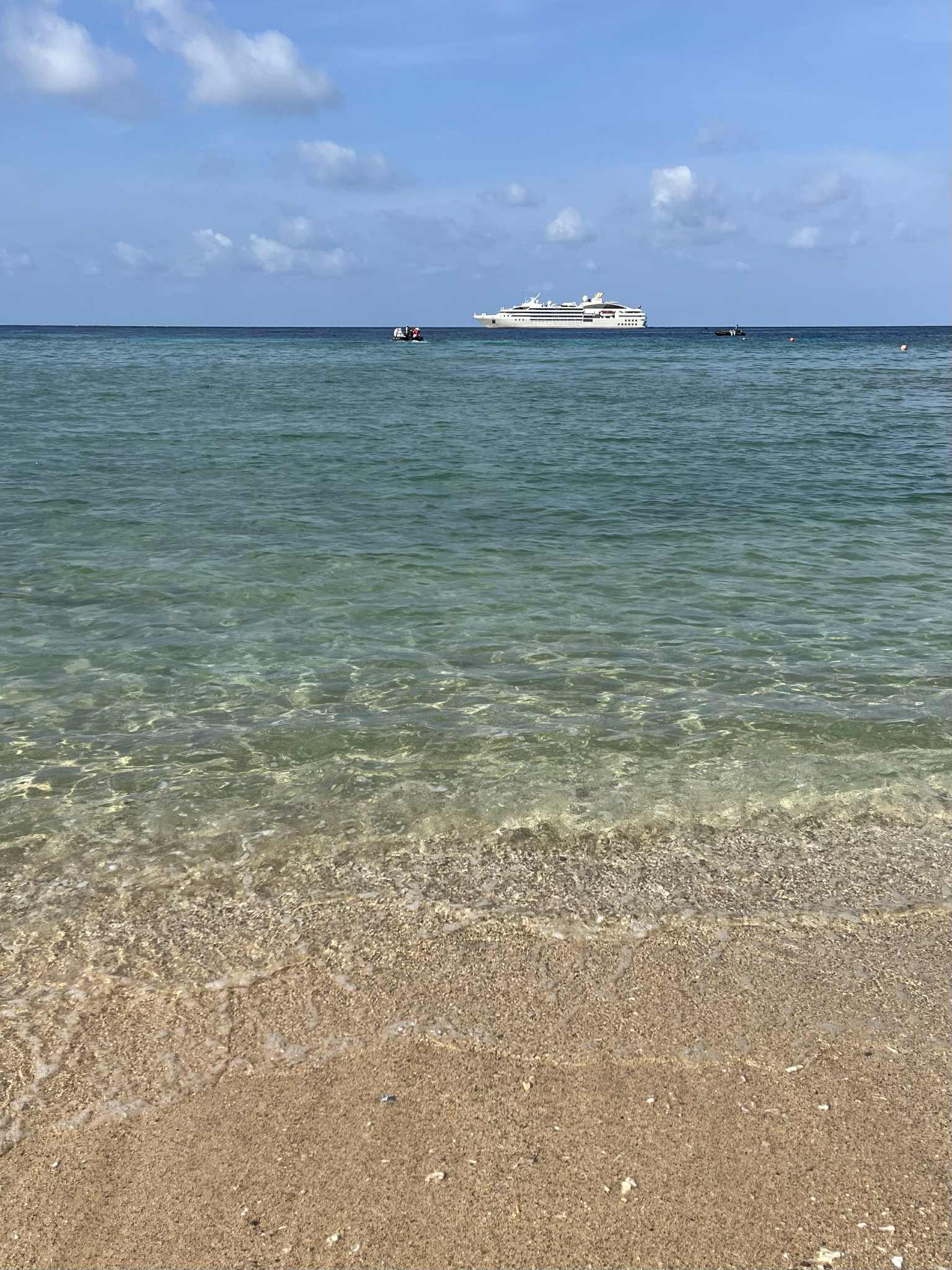
We had an amazing time in the water exploring the diverse coral, then wandered along the beach, which had a unique pink hue created by broken red fragments of microscopic marine creatures called Foraminifera.
Shore excursions from the Alor and Flores Islands towns of Kalabahi and Maumere filled the days that followed. After a joyous welcome ceremony at the Kalahahi pier, we climbed aboard a mini bus and drove to the village of Takpala, home to the Abui tribe and known for its pyramid-shaped houses called Lopok.
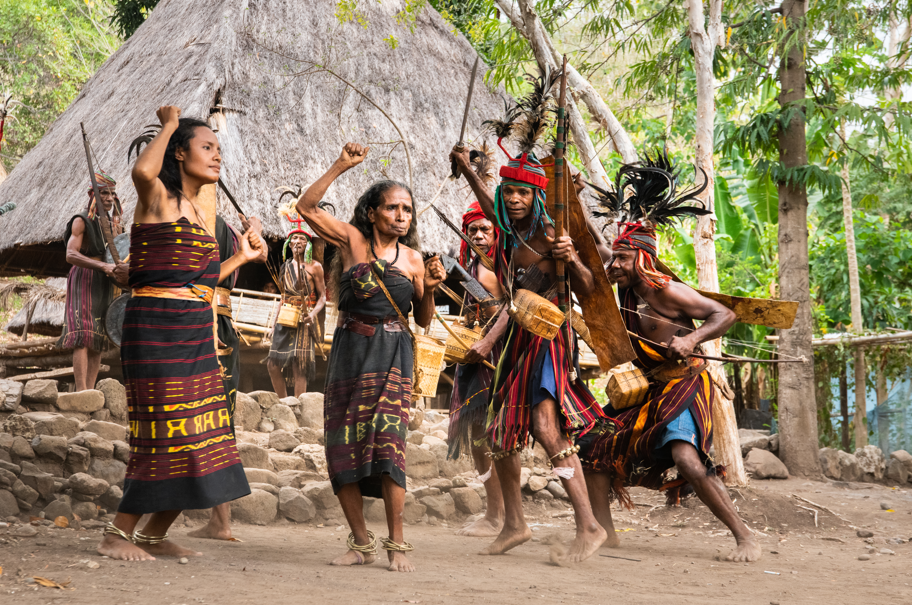
At the end of the official dance performance passengers were invited to attempt the traditional Lego-Lego dance. The villagers were so welcoming, showing us dance steps, coming up to shake our hands and saying hello.
We cruised into Maumere early on a Sunday morning, with the sound of hundreds of locals singing hymns floating across the water. The city is predominantly Catholic and is filled with steeples, although the skyline also features an impressive mosque.
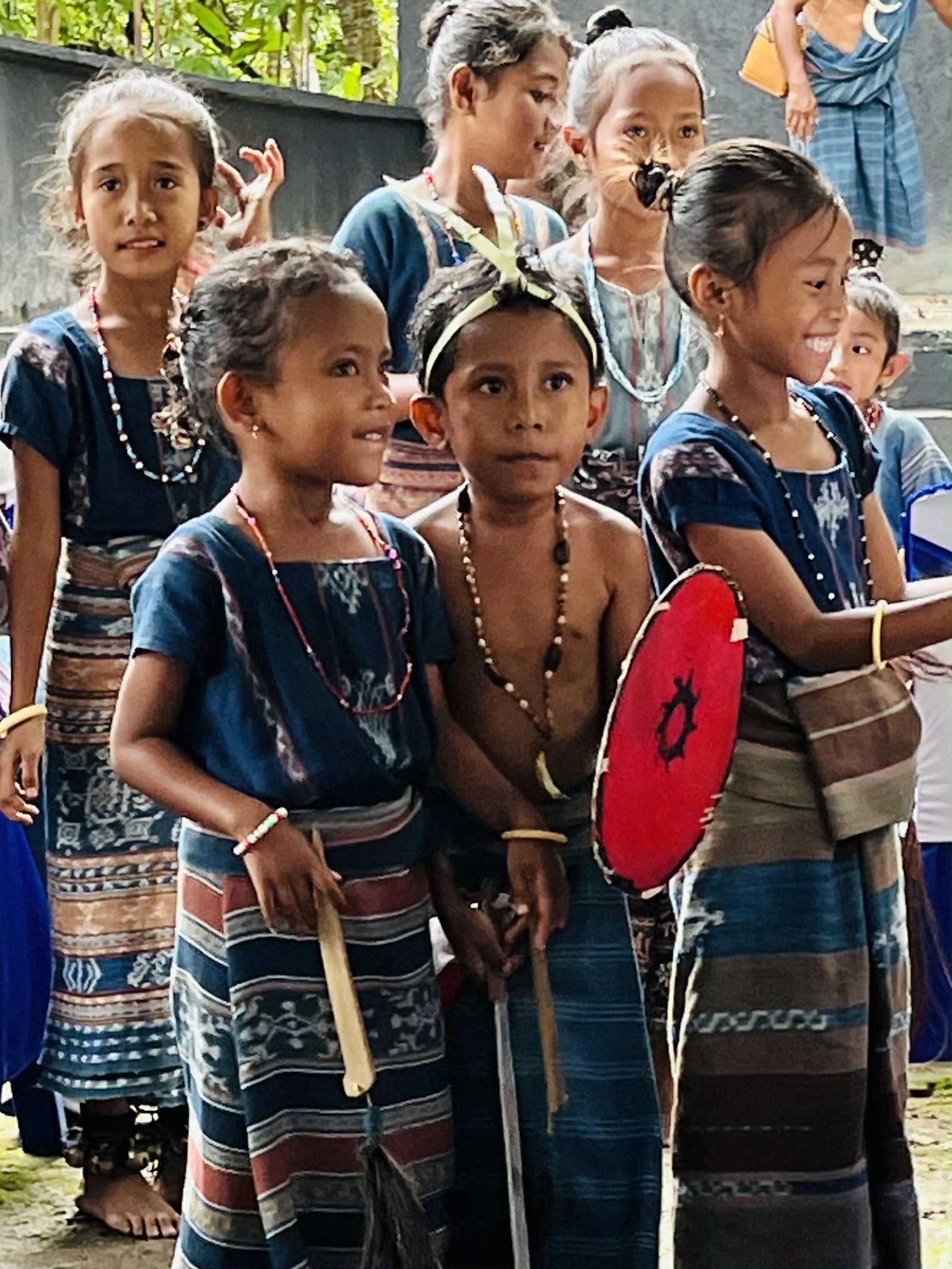
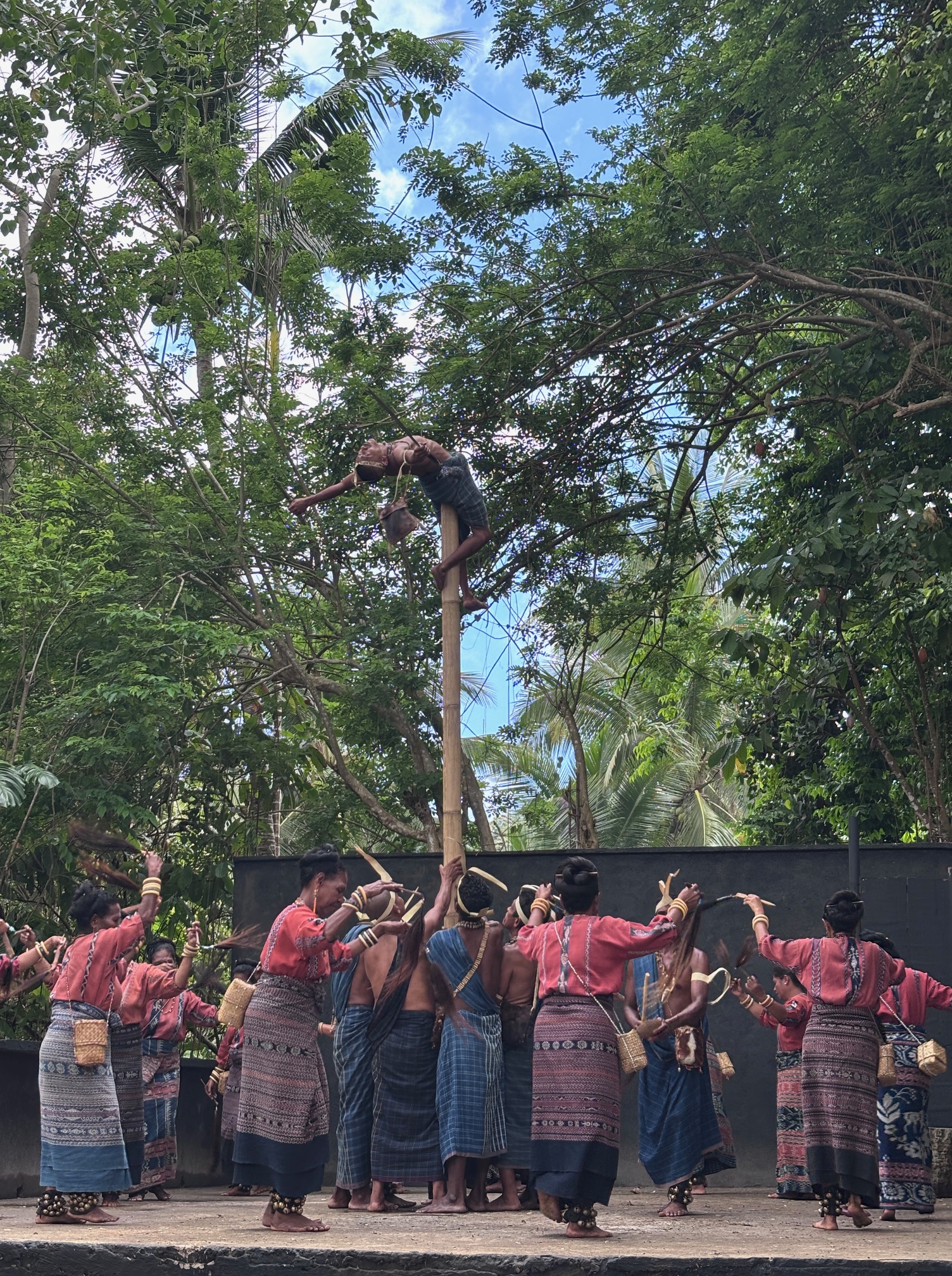
We were taken into the mountains to a village called Watublapi to watch a traditional dance performance and see local women weaving ikat fabric.
The traditional dancing included a unique routine performed by a villager who climbed a bamboo pole and balanced on top of it.
The sea was smooth as a mill pond when we cruised towards Komodo Island the following day.
Our ship was accompanied by a dolphin and surrounded by swarms of fish, swirling with their fins in the air.
Even at 6.30am the humidity was oppressive. But there were real-life dragons to be seen, so we donned our hats, slathered on our sunscreen and headed off on a guided tour.
Visitors are not allowed to enter the national park without a guide because it’s so dangerous. Two rangers accompanied each group, carrying forked sticks to ward off wildlife.
While attacks on humans are rare, Komodo dragons are the largest living lizards and can be lethal. They have very sharp teeth and powerful claws, which can cause severe blood loss and shock. Their bite delivers a mix of venom that can lead to severe infection. Oh, and they can also run at speeds of up to 20km an hour in pursuit of their prey!
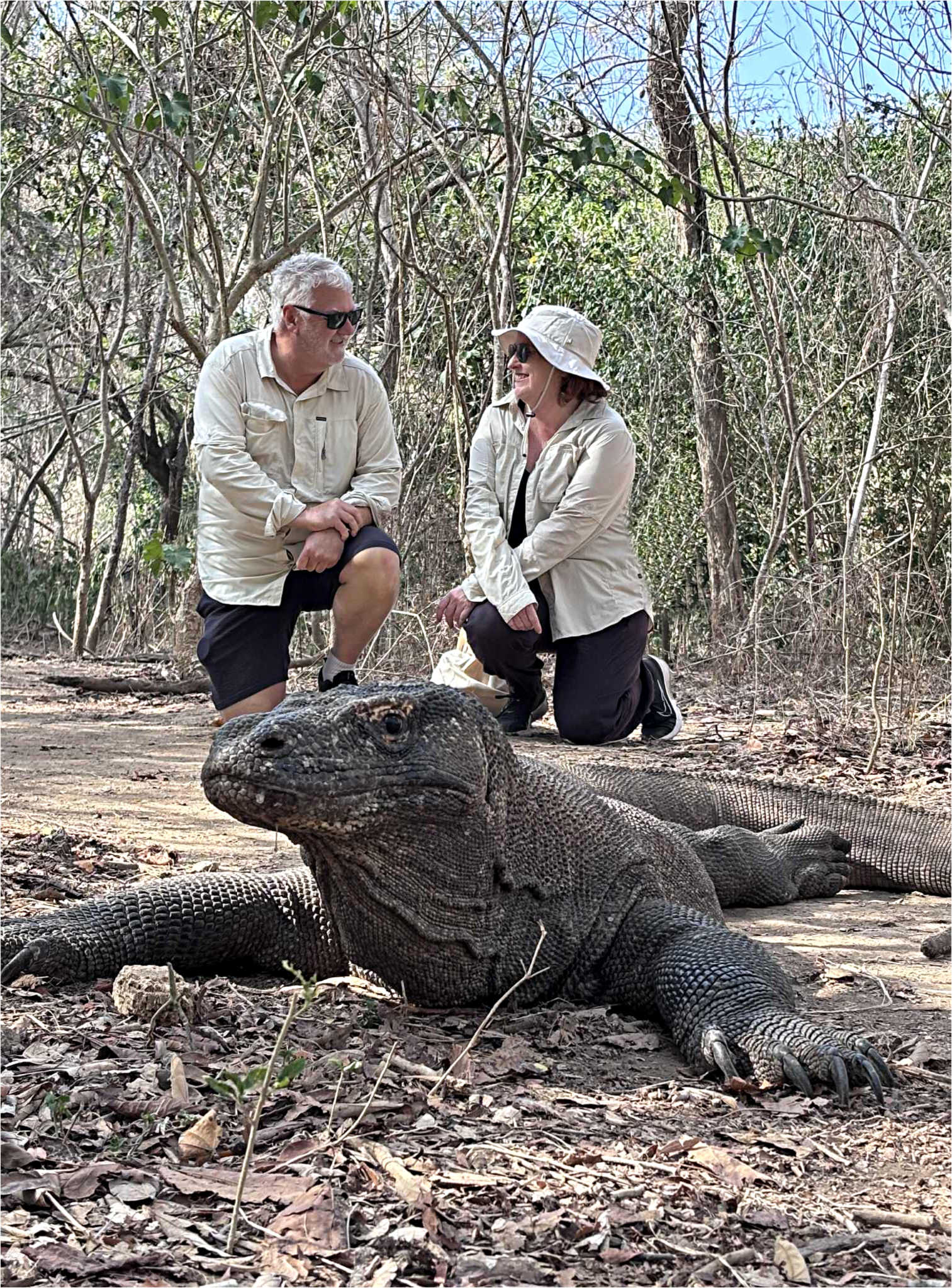
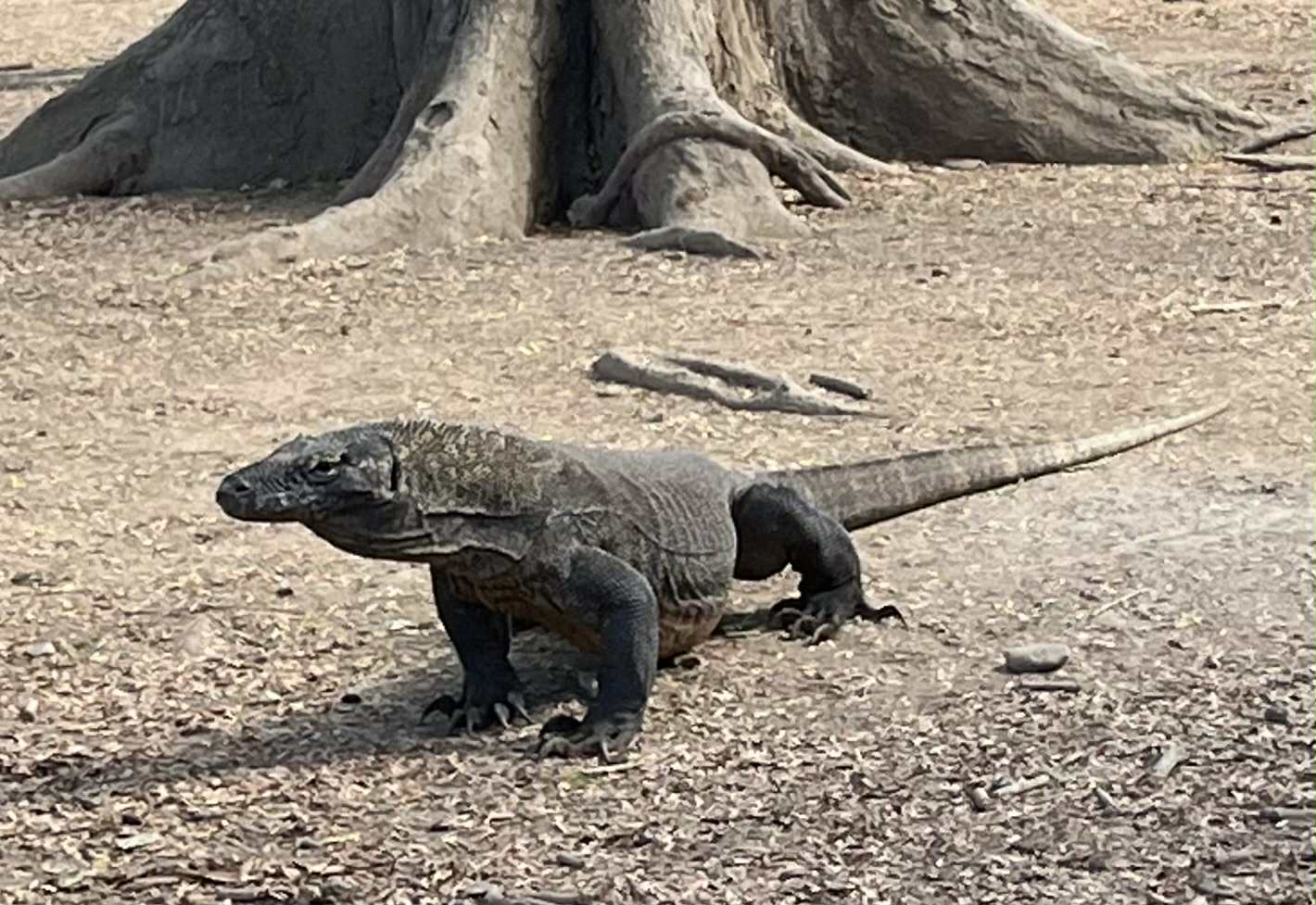
We were lucky enough to see komodo dragons of all shapes and sizes on our walk, including babies that normally hide in the trees to avoid being eaten by their mothers, fathers, aunts and uncles.
After lunch, Le Soleal repositioned for our final snorkelling experience of the cruise, off a deserted beach on the island Gili Lawalaut.
That night, the ship’s expedition leader announced she had a surprise for us. Instead of cruising straight to Bali we were making an unscheduled stop in Saleh Bay to swim with whale sharks!
Selah Bay is dotted with fishing platforms that attract whale sharks, who eat the shrimp swarming in the waters around them.
When we slipped into the water one was hovering with his mouth wide open to swallow the fishy water being sprayed out from the platform, while another whale shark undulated among us.
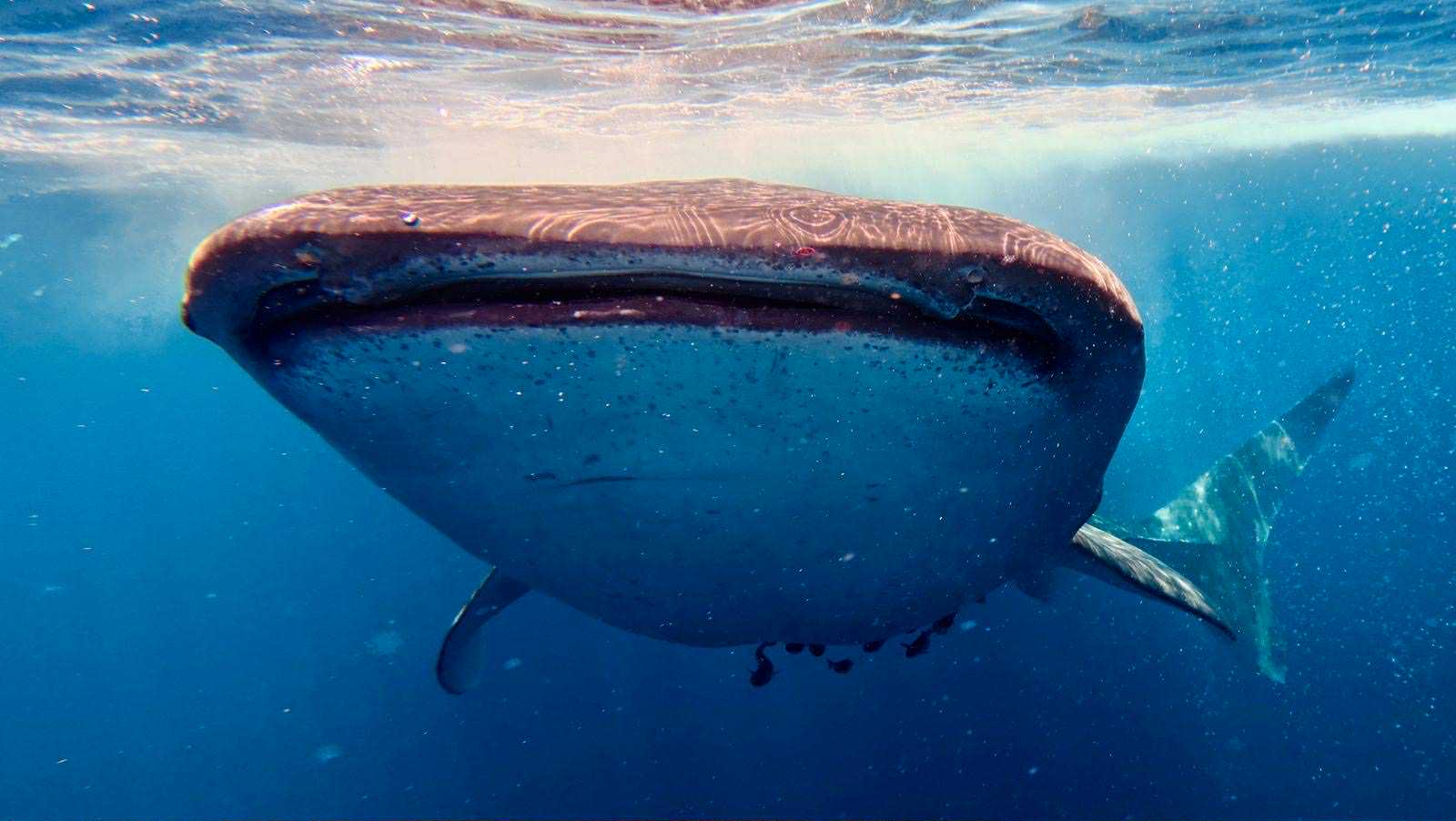
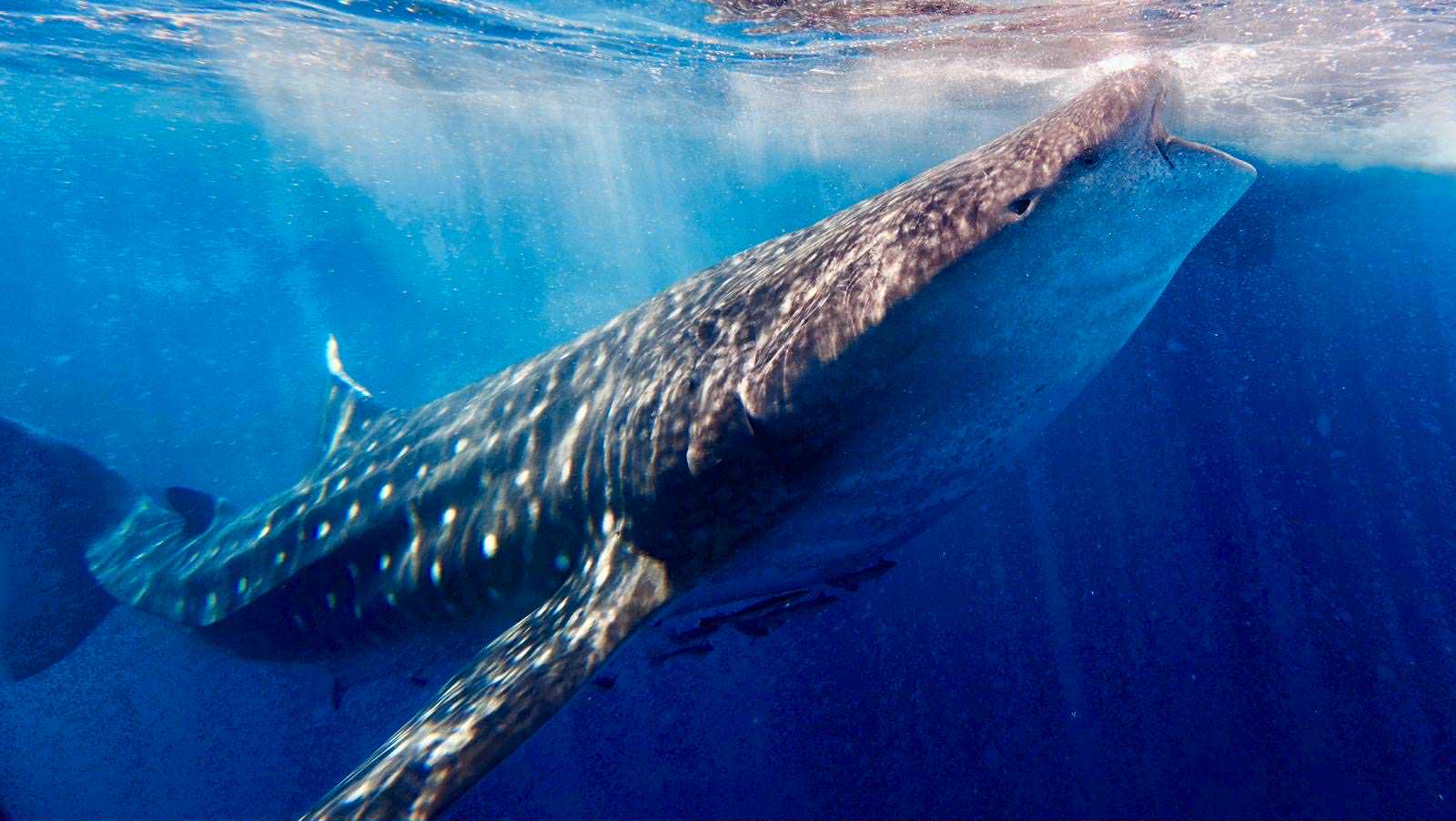
At one point I surfaced to adjust my mask and when I stuck my head back under the water a whale shark was swimming directly below me. It was so close that I starfished myself and froze in position until it swam away.
It was an awesome, unforgettable way to end our cruise.
 thethirstytravellers.com