
When we spotted last-minute availability on a Coral Expeditions cruise that followed the Sydney to Hobart Yacht Race to Tasmania, we couldn’t resist signing up for the adventure.
The cruise departed on Boxing Day and returned on January 2, dovetailing perfectly with our respective office shutdowns, so we thought “why not!”

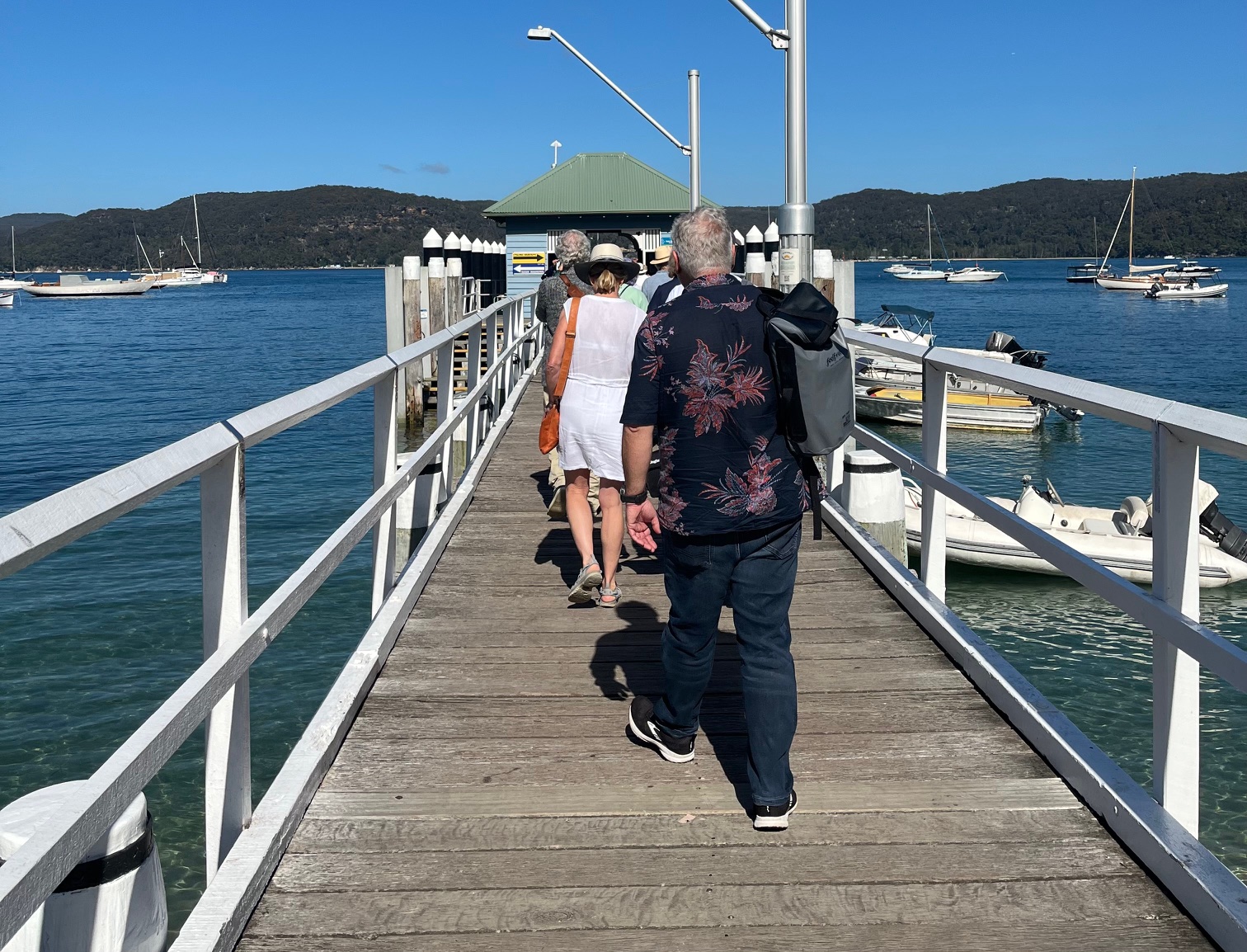
We embarked at Sydney’s Palm Beach Wharf on the most stunningly beautiful day and were dazzled to cross Pittwater and board the Coral Discoverer.
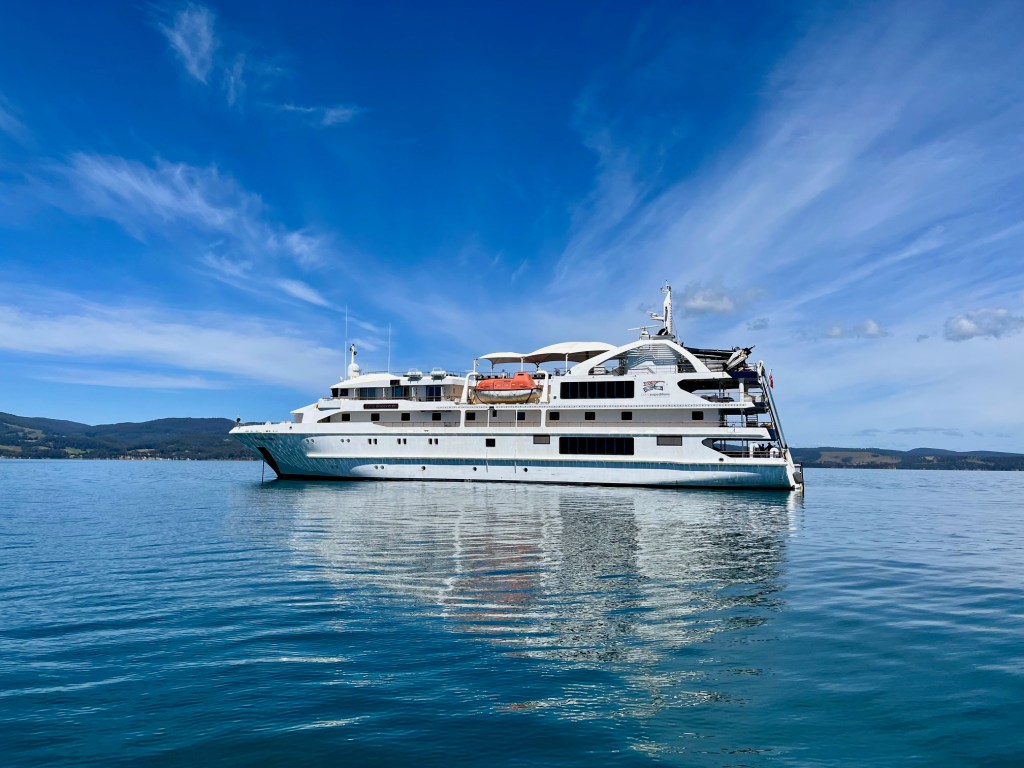
The ship is quite unique in Australian waters as it only has 36 cabins and capacity for a maximum of 72 passengers – though there were probably less than 60 people on our cruise due to a few solo travellers.

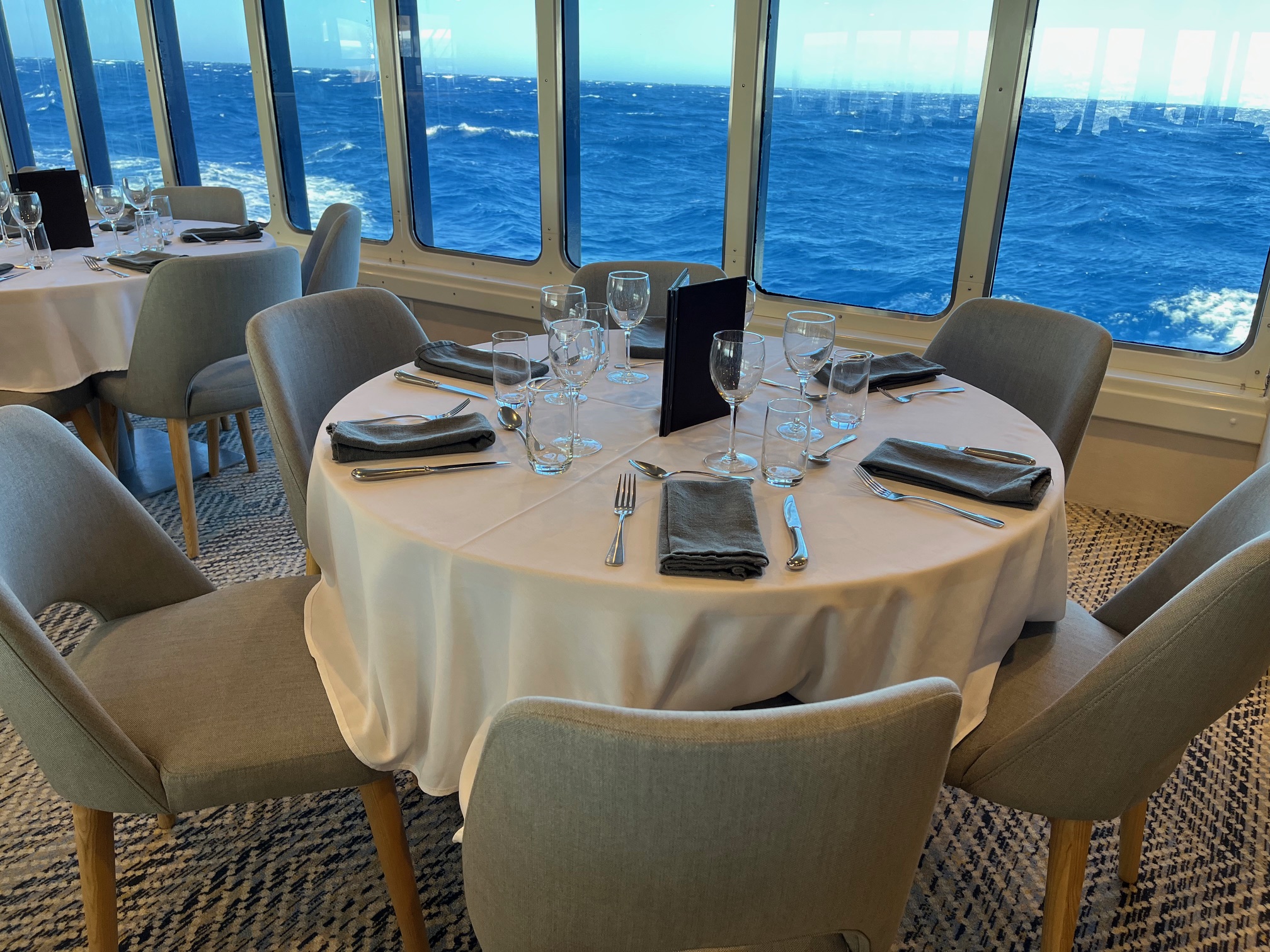
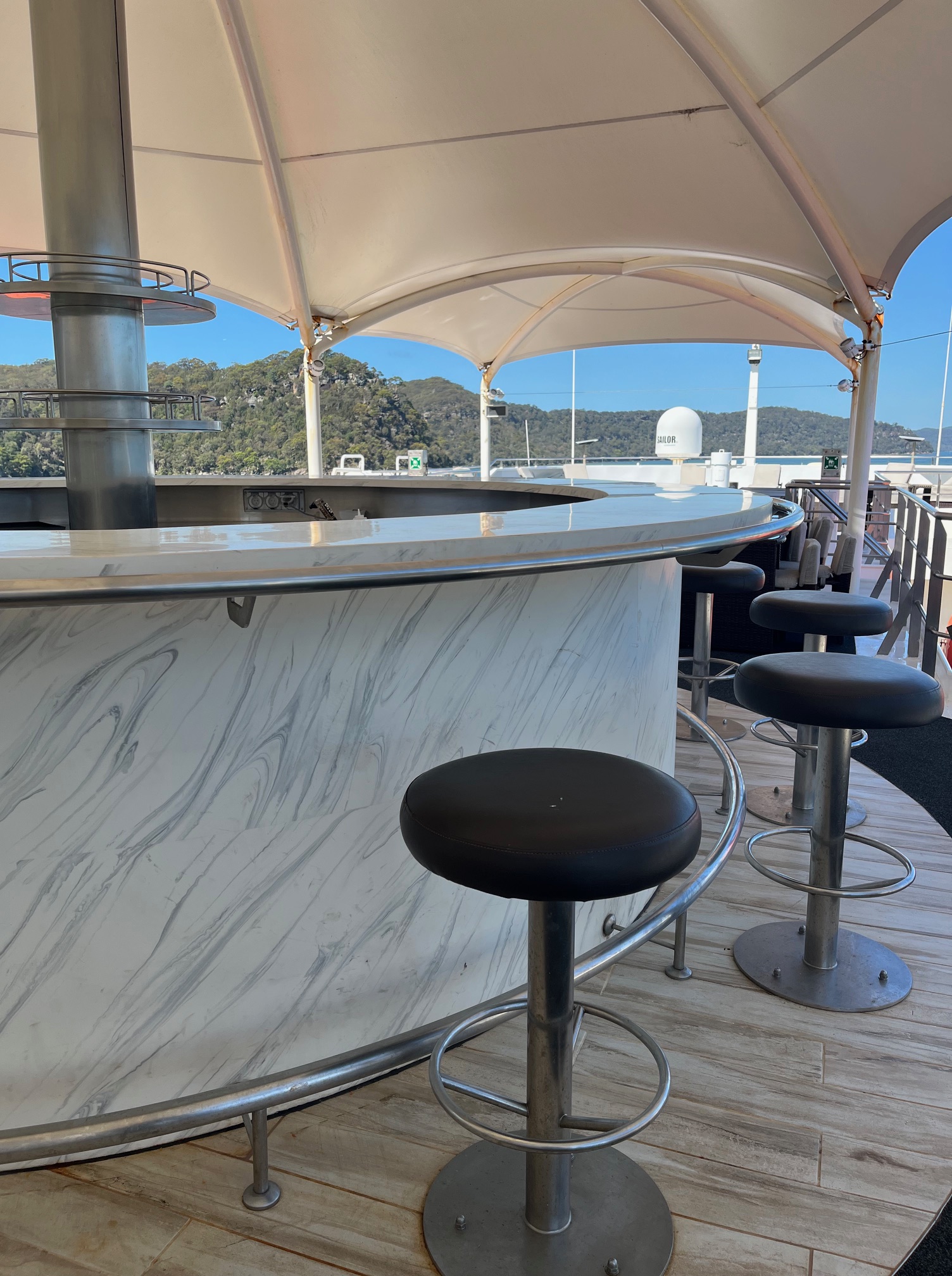
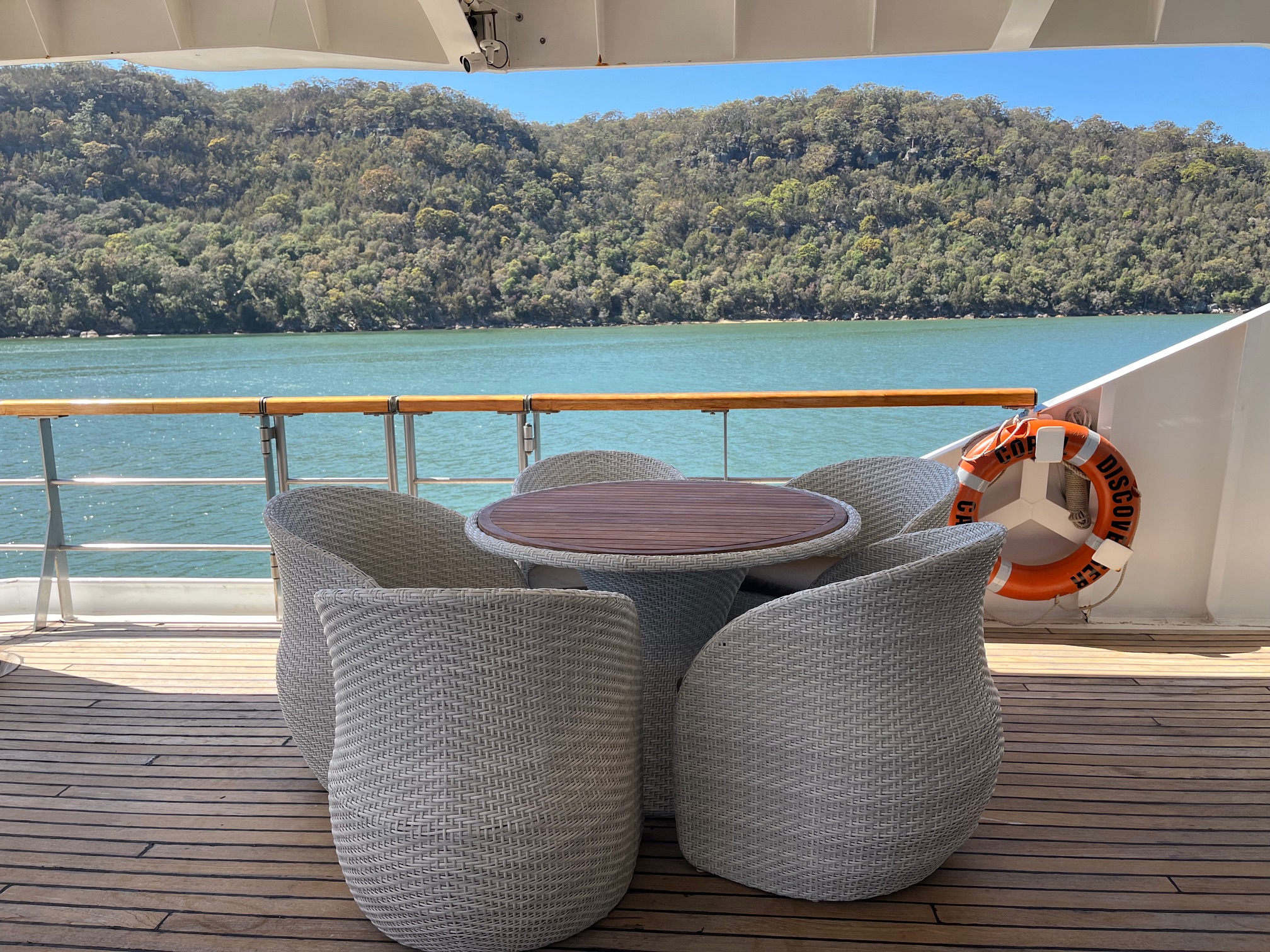
Our cabin was spacious and well appointed and we were pleasantly surprised by all the public spaces both inside and outside the vessel considering the ship’s small size.
After our safety briefing we cruised past Barrenjoey Lighthouse and down to Sydney Heads to have lunch and watch the start of the Sydney to Hobart Yacht Race.
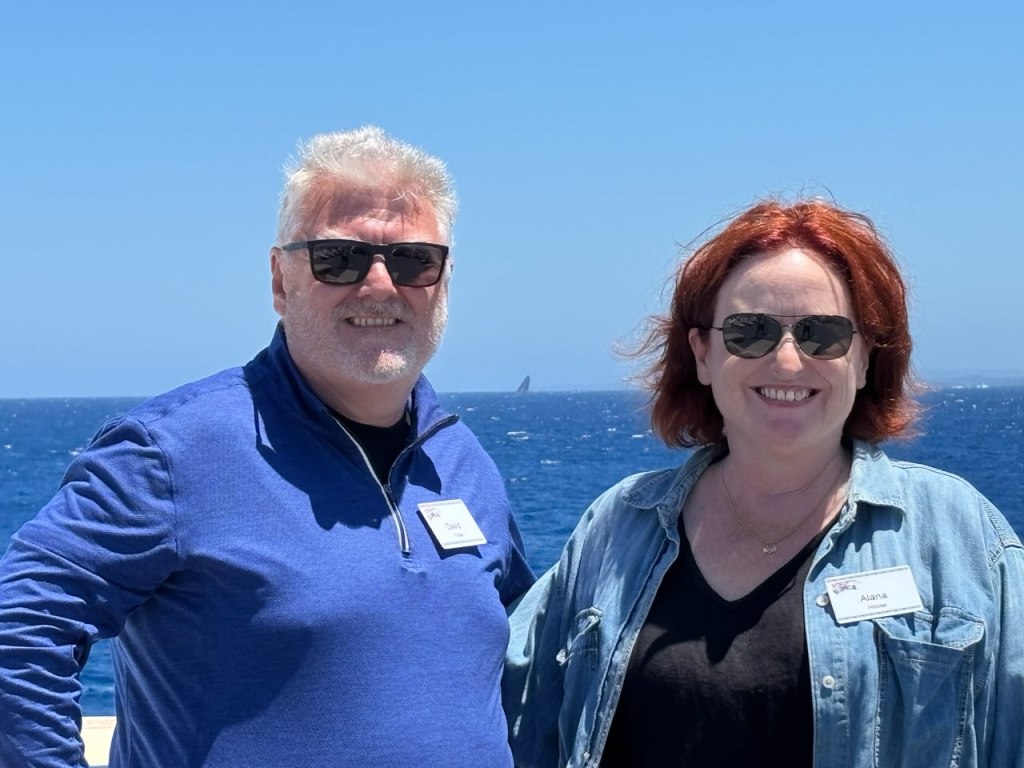
It was amazing to sit at the rooftop bar on the ship and see the hundreds of boats head out to sea. We followed them down the coast but couldn’t keep up with the front-runners, which were hurtling along at breakneck speed.
We were lucky enough to have a few yachting experts on board the Coral Discoverer, including a guest lecturer who had competed in the race nine times, while our Captain had crewed a yacht during the infamous 1998 race.
Catastrophic conditions in 1998 saw six sailors die, five yachts sink and more than 60 yachts retire – the boats were hammered by wild winds and 20-metre-high waves. Yikes. I’m glad I didn’t watch the ABC-TV special on that before we sent sail.
The yachting connections on the vessel meant we got to eavesdrop on video calls between the Captain and various famous vessels along the route, which was an exciting insider experience.

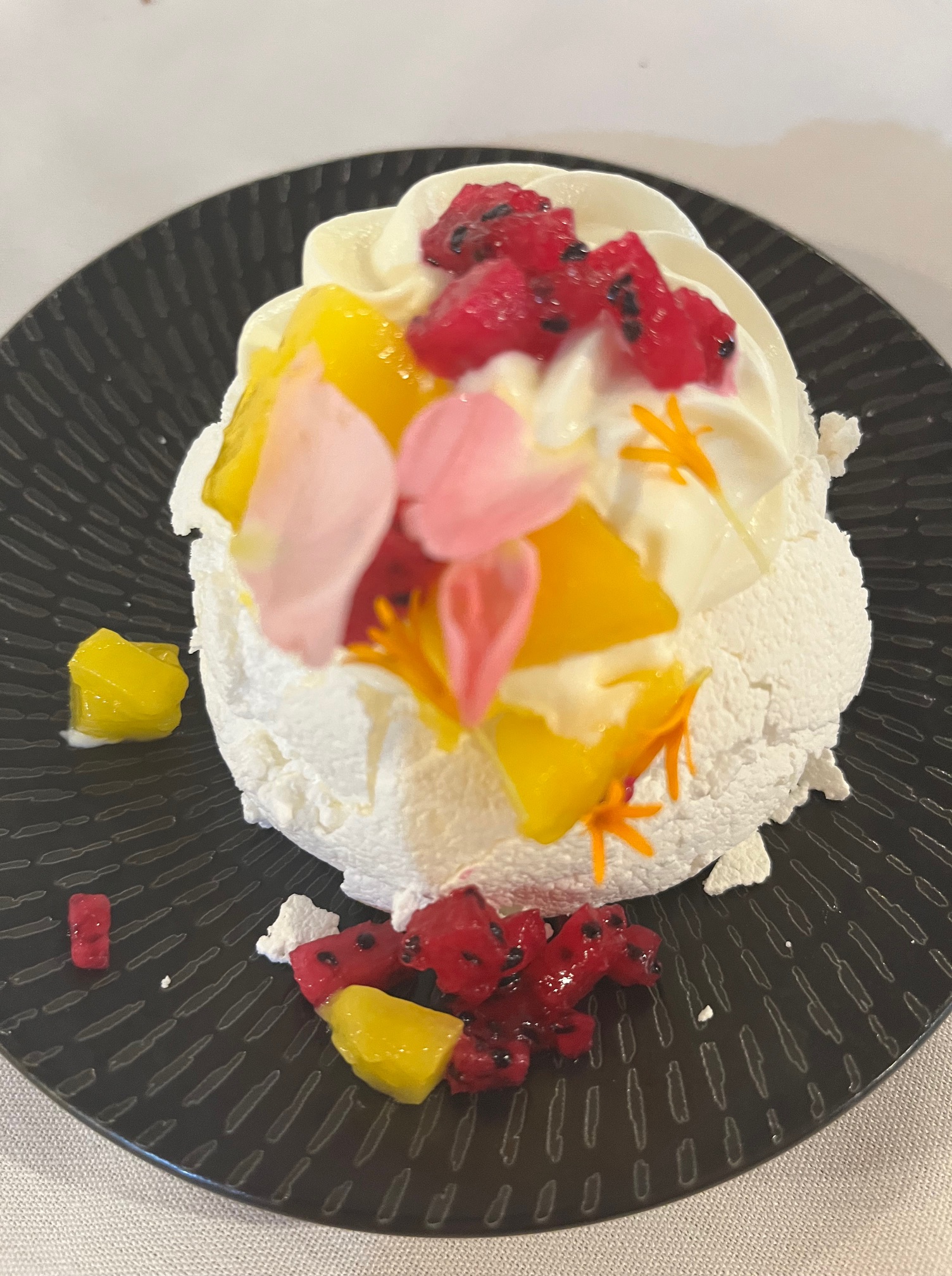
We also enjoyed Captain’s drinks on our first night aboard, before dining on delicious Cape Grim eye fillet and pavlova, followed by a couple of Old Fashioned cocktails on the back deck at sunset.
We woke on day two of our cruise to the awful news that two sailors competing in the Sydney to Hobart Yacht Race had tragically died during the night, the first fatalities since 1998. Our ship had also diverted course during the night to assist with the rescue of another man overboard.
The sailor was in the water from 3am to 4am before his fellow crew members managed to retrieve him – alive and unhurt – from the ocean. I can’t imagine how terrifying that must have been.
One race captain describe the conditions as the toughest he had faced as a participant in the bluewater classic.
And we were right in the middle of it!
We were struck down by our first-ever case of sea sickness when the Coral Discoverer entered Bass Strait. It was like a washing machine – while the waves weren’t too high, they were close together and coming from every direction. The ship would go up one wave, crash down onto the next, then do a figure eight from side to side … over and over and over again.
We crawled into bed and stayed there throughout the afternoon and night as the ship wildly rocked. When we woke the seas were calm again and so were our stomachs, as the captain had sought shelter in the Flinders Island group.
We had been scheduled to make a stop at Deal Island for an excursion that day, but the sea was too rough. Instead, we jumped into the tender for a tour around Babel Island and it’s turquoise waters, spotting seals and lots of birdlife along the way.


Two seals slid into the water and put on a show for us, lolling on their backs with their flippers in the air, just metres from our boat.
Then it was back to the ship for a wine tasting with matched canapés, followed by roast duck for dinner and a showing of David Attenborough’s Tasmania documentary before turning in for the night.
We woke on day three of our Sydney to Hobart cruise to the stunning scenery of Wineglass Bay. As we sat down to Eggs Benedict, a pod of dolphins frolicked in the waves beside us, which was a magical way to start the day.
In the afternoon we embarked on an epic hike to the Wineglass Bay lookout – it was a tough climb up 1000 stairs, but the views were magnificent. A swim after the sweaty climb was a must, despite the water temperature hovering just above 17C.
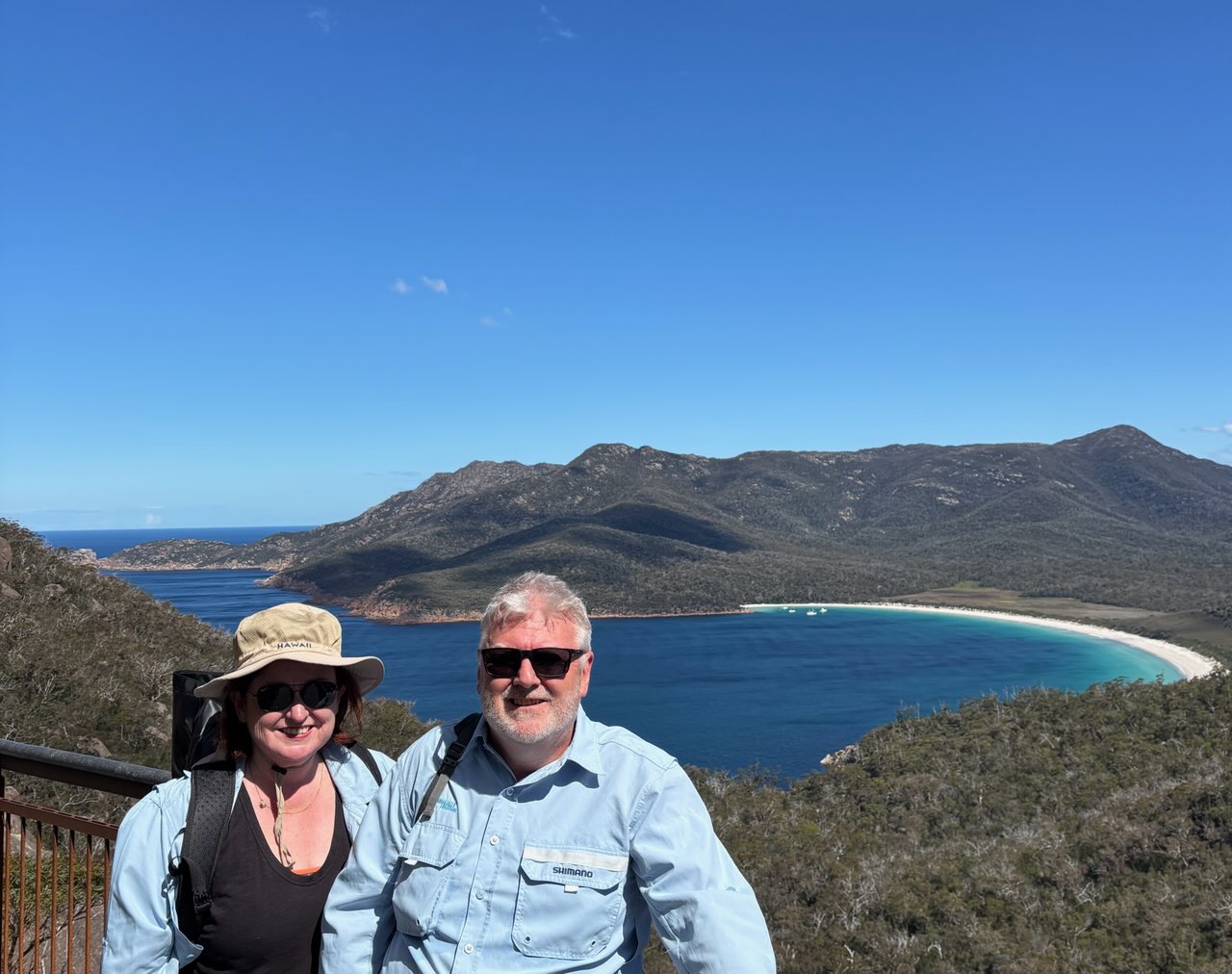


When we returned the ship we headed up to the outdoor bar on the ship’s rooftop for cocktails – the sun was warm and the views surrounding us in Promise Bay were spectacular.

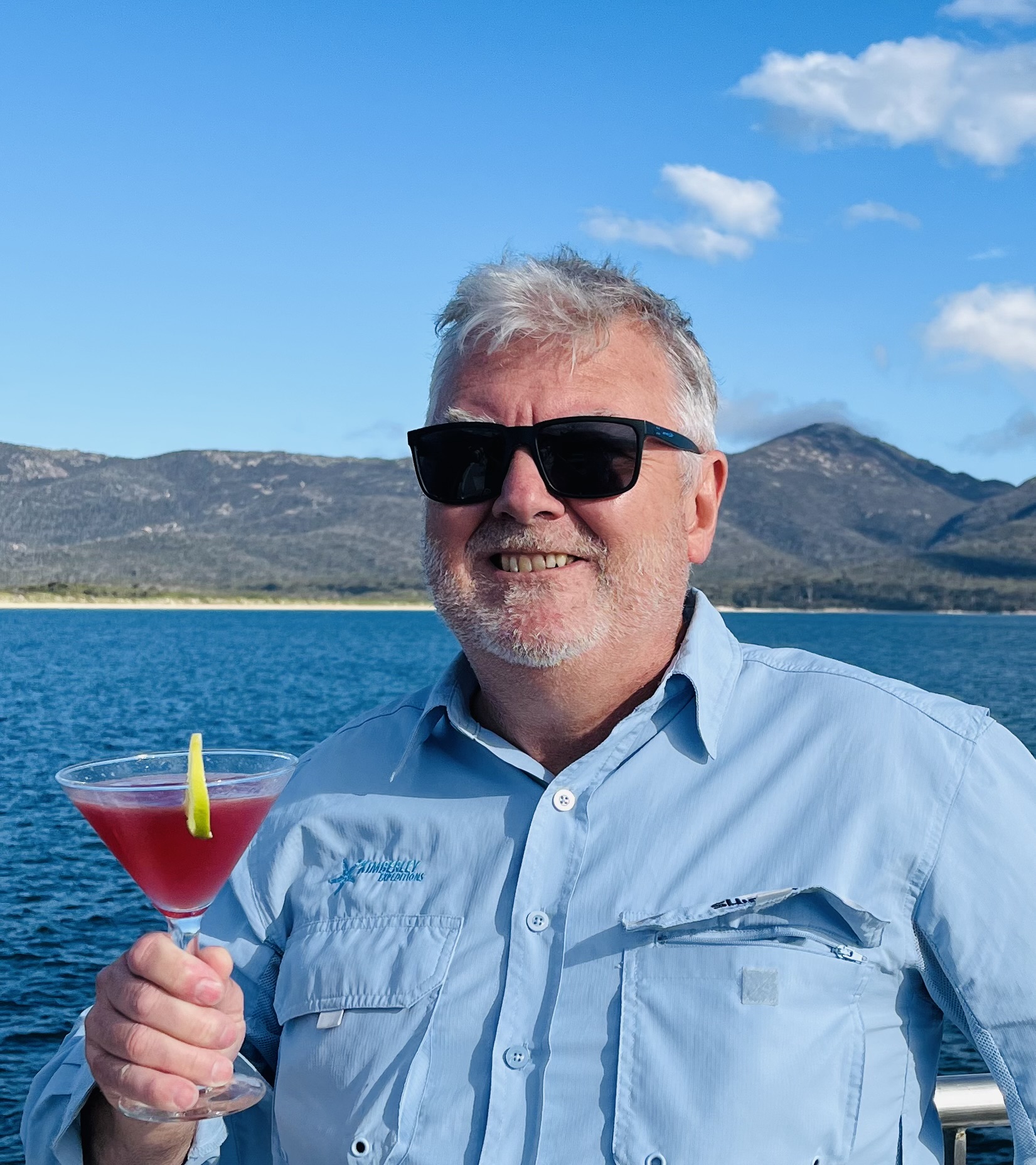
Heaven continued after dinner when another pod of dolphins appeared beside the ship at sunset.
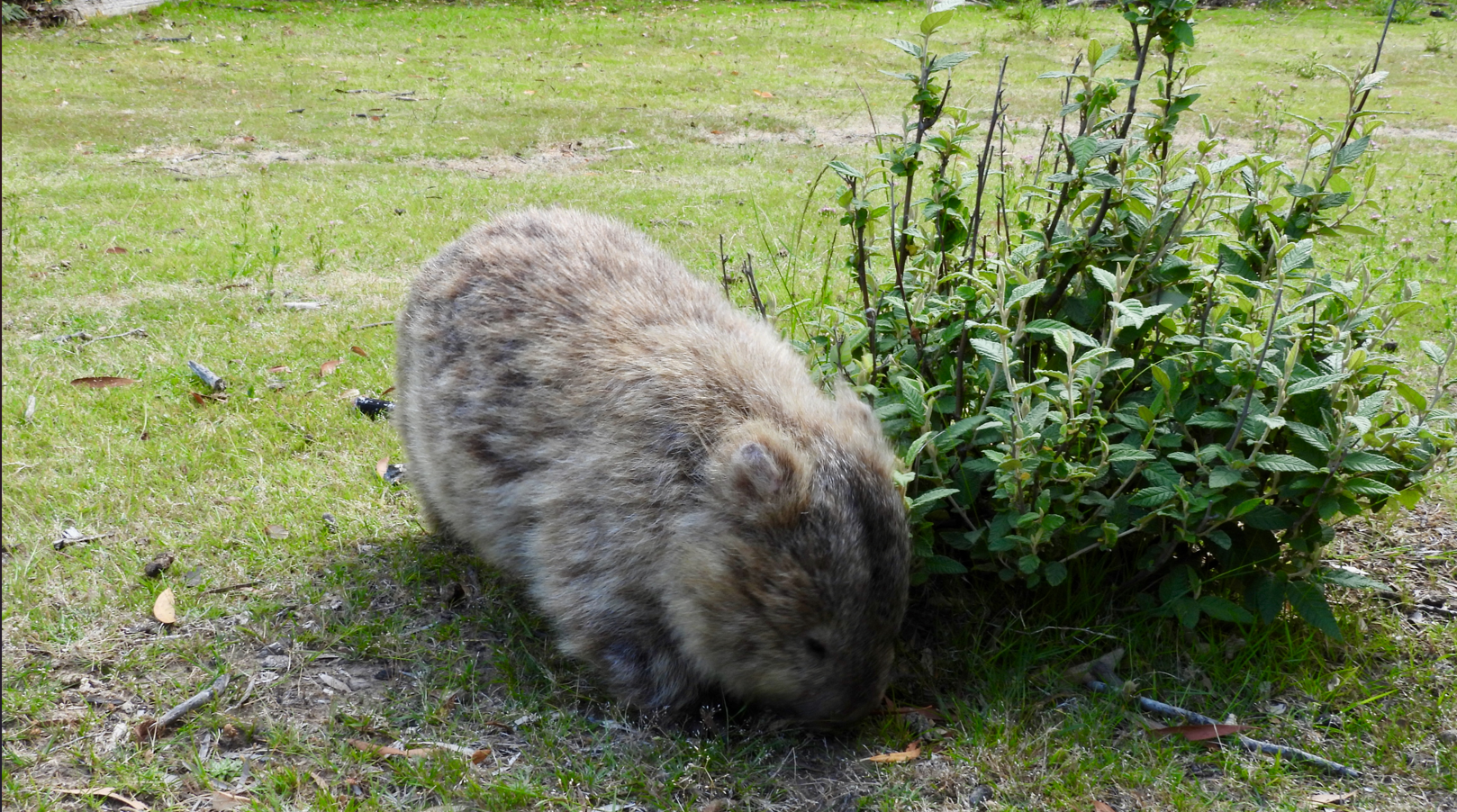
Day four kicked off at beautiful Maria Island, with its crystal clear waters, fascinating history and remarkable wildlife, which is fluffier in Tassie than on the mainland due to how cold it gets there!
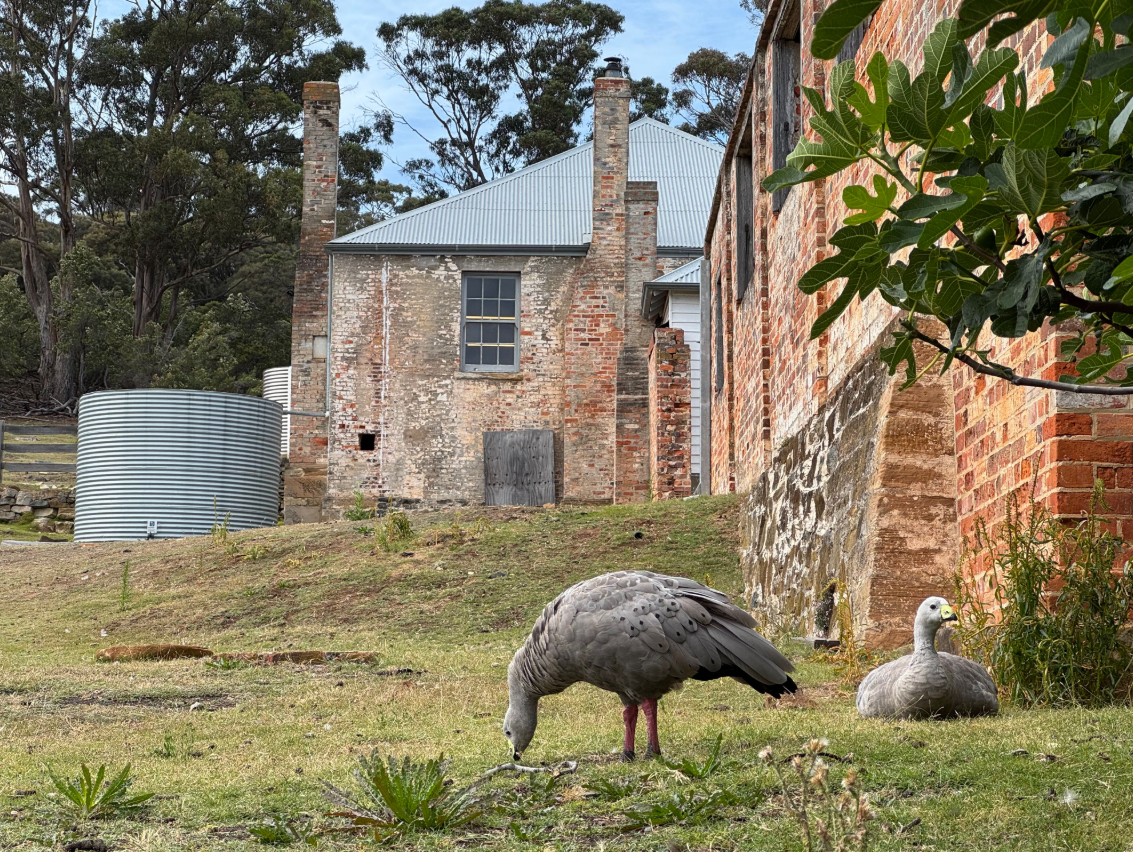


Here’s a potted history of the island from Tasmania Parks & Wildlife Service:
“As you cross to the island you follow in the wake of Aboriginal people, who for thousands of years made regular canoe crossings to the island they knew as wukaluwikiwayna. For more than 35,000 years Aboriginal people have lived in the homelands of the Oyster Bay nation, the Tasmanian Aboriginal people from Maria Island were known as the Puthikwilayti.
“Maria Island’s landscape is a microcosm of unique cultural heritage found within Tasmania; rich, varied and significant. This heritage and the associated stories play an important role in raising awareness about the past, celebrating the present and learning for the future. Today’s Aboriginal community continue their people’s connection to this special island.
“Maria Island became a penal settlement in 1825 and was soon infamous for the number of escapes across the water. From 1842 Maria Island was used as a convict probation station, but by 1850 this mainly agricultural station was abandoned.
“Maria Island’s potential captured the imagination of Italian entrepreneur, Diego Bernacchi, who set up a cement works to utilise the island’s limestone deposits in the late 1800s. The following period saw the development of industry, as well as the growth of a small farming and fishing community – all which has since closed down.
“The first moves were made towards forming a fauna reserve in the early 1960s. Maria Island was officially declared a national park in 1971.”
We were feeling little stiff from our Wineglass Bay stair climb when we arrived at the ferry wharf, but we negotiated the 6km walk to the fascinating Fossil Cliffs, spotting wombats, pademelons and grey kangaroos along the way.
The Fossil Cliffs are a rock strata that contains a vast number of fossils, including clams, sea fans, corals, scallop shells and sea lilies that were deposited there around 300 million years ago. It was remarkable to see the layered history of the region’s sea life up close.

In the late afternoon we cruised along the dramatic Tasmanian coastline and passed between the mainland and Tasman Island, spotting seals lolling on rock platforms and more dolphins dancing in the waves.
Then we anchored in Norfolk Bay for the night and were treated to another spectacular sunset as we sipped a glass of wine after dinner.
We visited Port Arthur the next morning, which is a stunningly beautiful spot to spend a few hours. despite its tragic history as a penal settlement and site of Australia’s worst gun massacre.

After a coffee in the cafe, we walked through the solitary confinement building and chapel, which were fascinating and harrowing in equal measure. The prisoners were locked into their cells for 23 hours a day and not allowed to speak, see or associate with anyone during their incarceration. It was designed to reform them, but resulted in many becoming so mentally ill they ended up in the asylum instead.
When we returned to the ship, we sat out on deck to enjoy the amazing views as we made our way out of Norfolk Bay and up the Derwent River to Macquarie Pier for a New Year’s Eve barbecue on the roof deck of our ship.


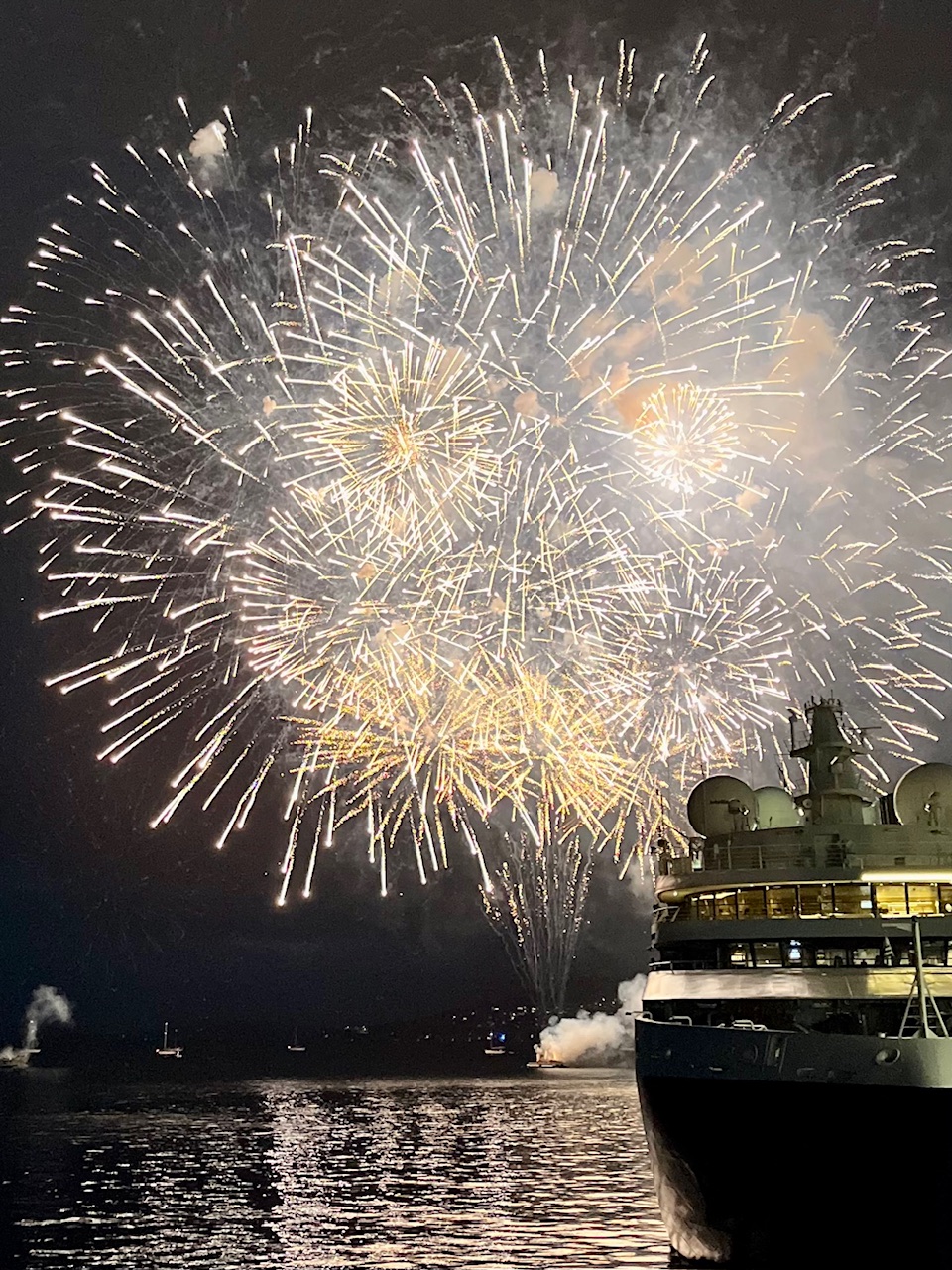
The Coral Discoverer had secured a front-row seat for Hobart’s NYE fireworks, which were fabulous, especially with glasses of complimentary bubbles in hand!
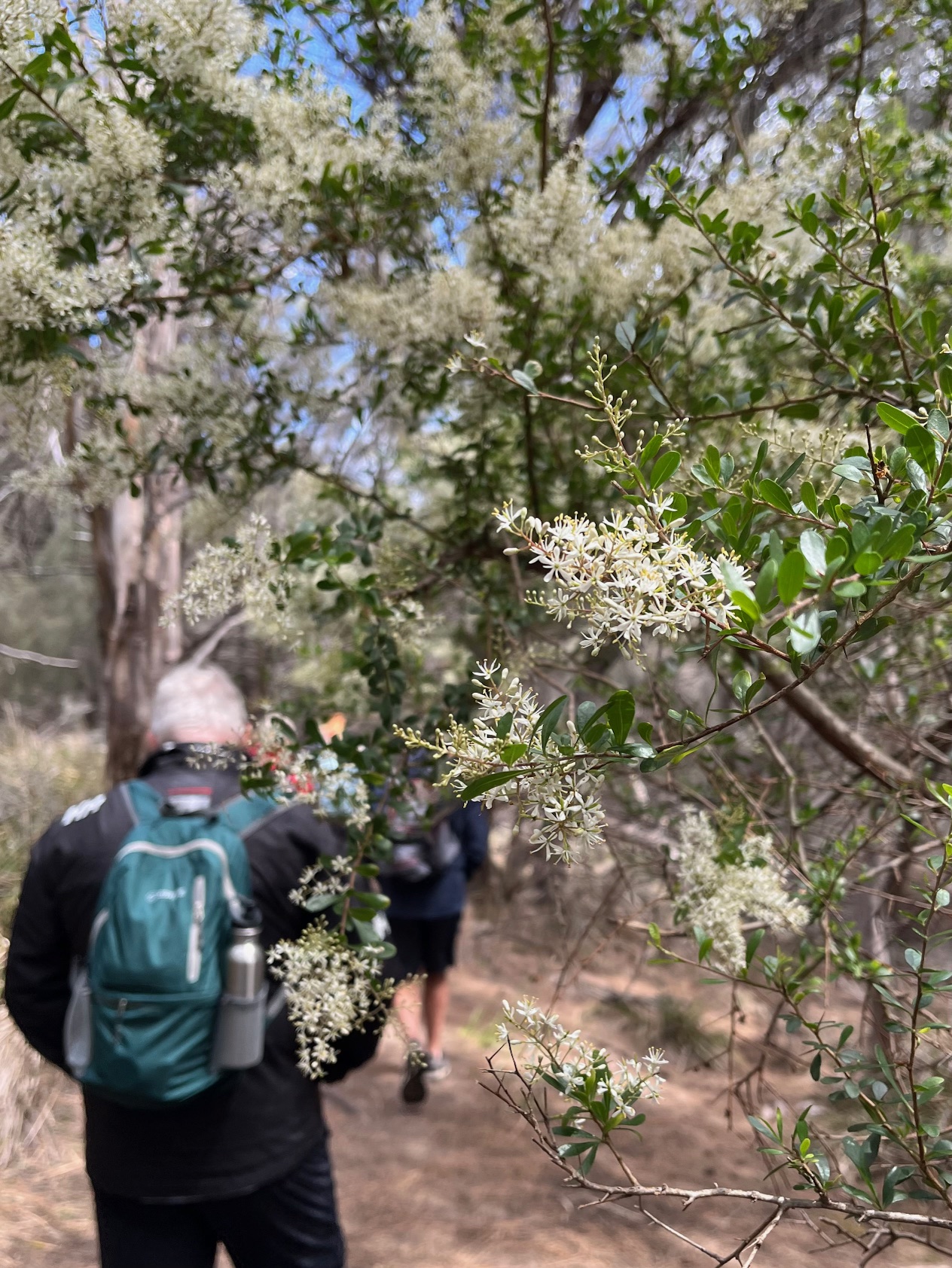
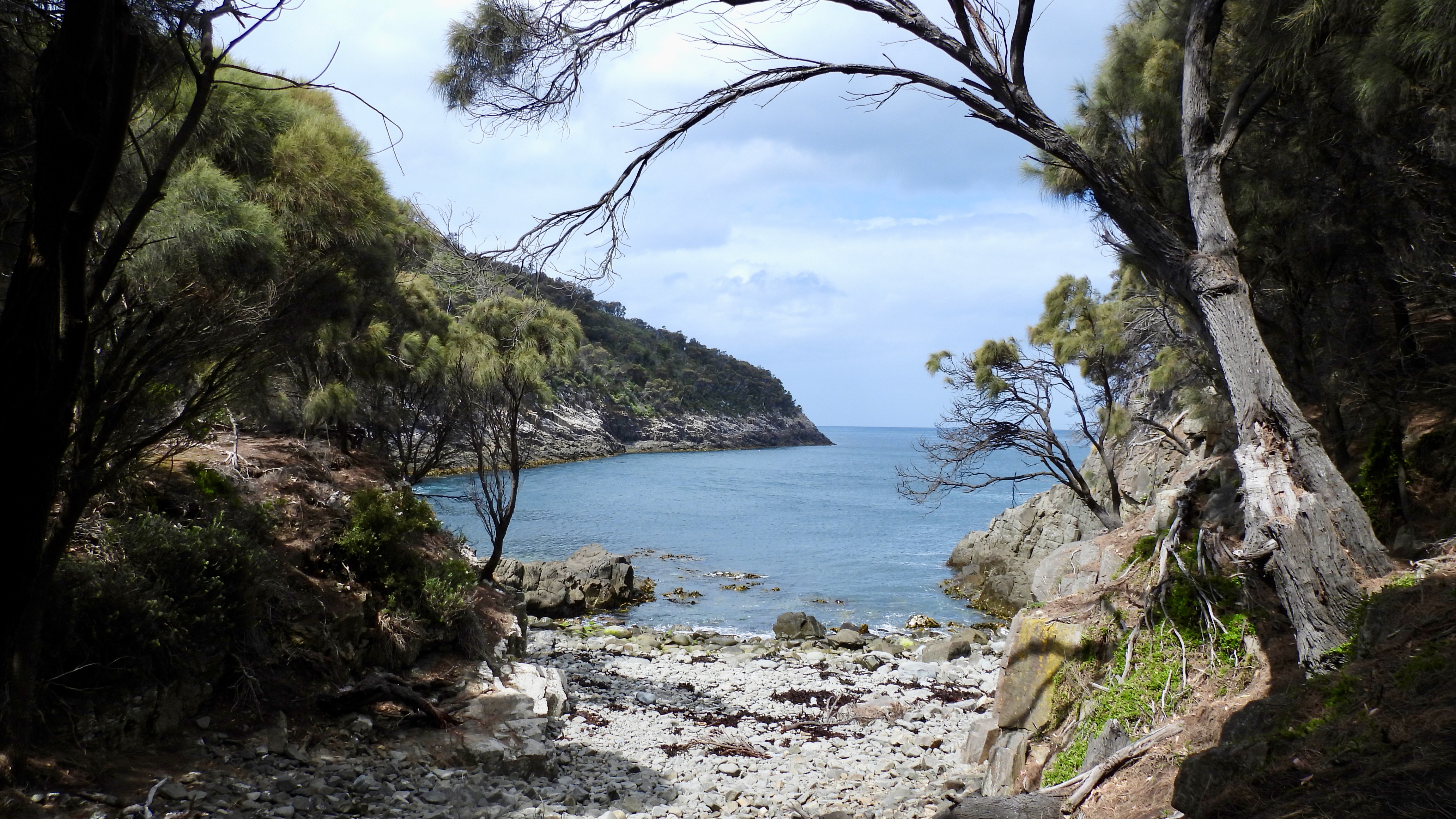

New Year’s Day dawned with a bushwalk on Bruny Island. The weather was a little four seasons in one day on the island, but we enjoyed wandering along the bush path to Grassy Point, spotting wallabies along the way.
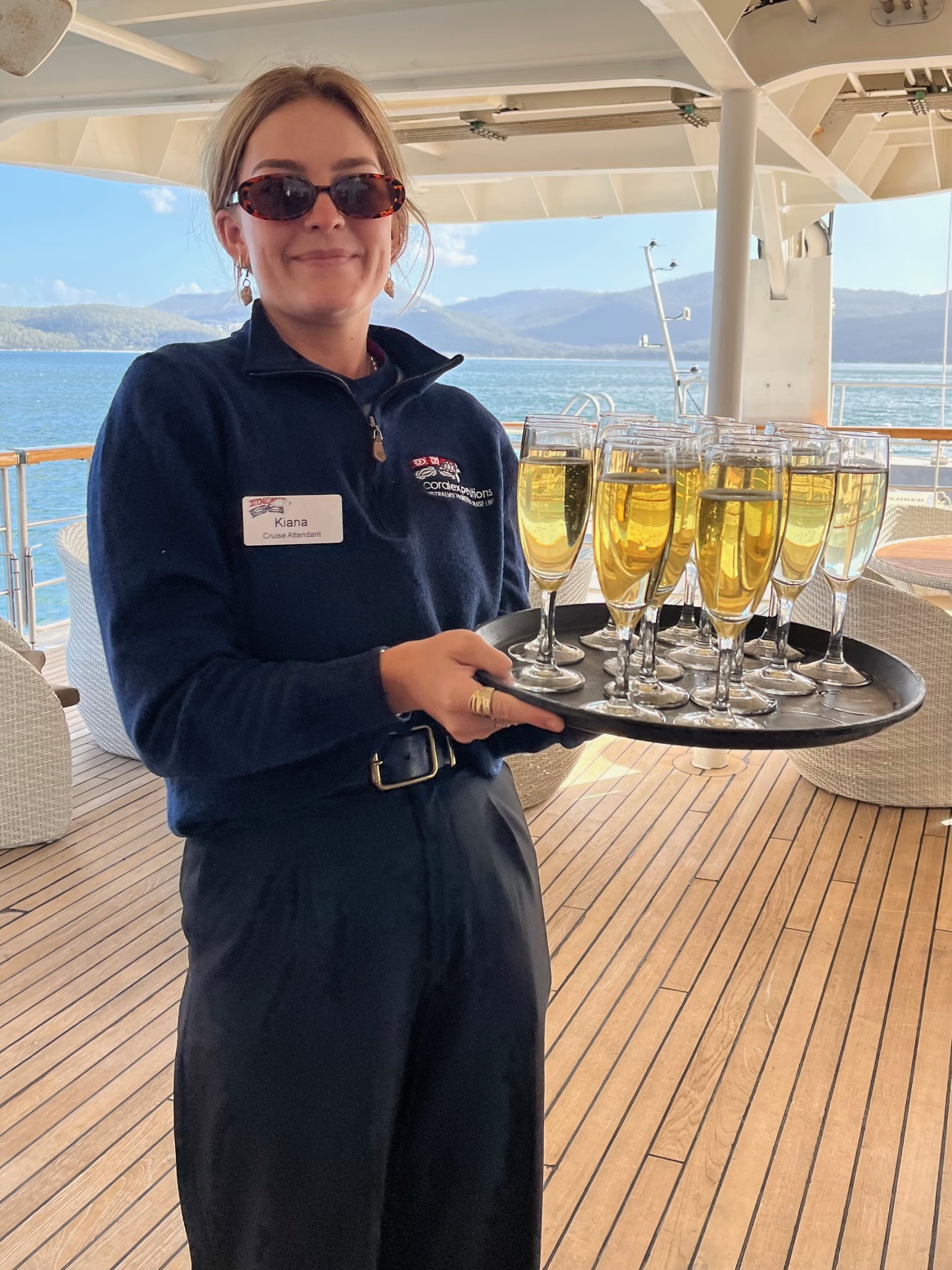

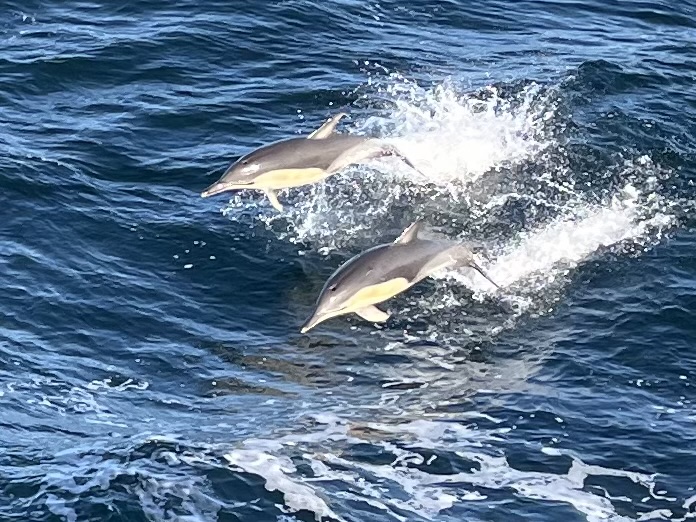
After Captain’s farewell drinks in Adventure Bay and a roast for dinner – with a few bonus dolphins as we cruised back into the Derwent River – we headed to bed.
The next morning we hugged all our favourite crew members goodbye and disembarked to have breakfast in Hobart before heading home.
One of the expedition crew recommended a fantastic cafe called Daci & Daci, where we enjoyed coddled eggs with hot smoked salmon, creamed leeks and potatoes with freshly baked bread.
A delicious way to end our Sydney to Hobart adventure!
 thethirstytravellers.com